France is a country where every cobblestone, towering spire, and crashing wave tells a story of empires, wars, romance, and artistic revolution. This comprehensive pillar page is designed to guide you through the ultimate cultural and historical expedition across France. By synthesizing the distinct atmospheres of nine legendary destinations, we provide an unparalleled deep dive into the architectural mechanics, historical weight, and modern-day navigation of these French marvels.
| Destination | Primary Historical Era | Core Attraction | Vibe & Atmosphere |
|---|---|---|---|
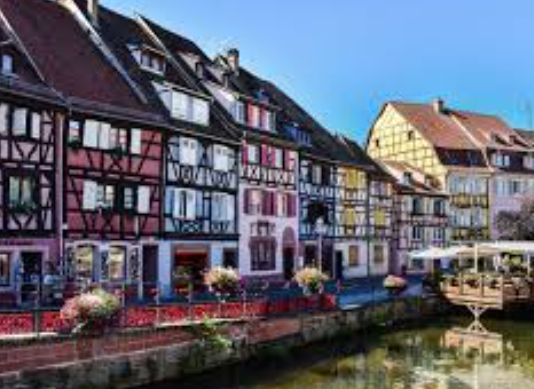
| Colmar | Renaissance / Medieval | Half-timbered houses, Little Venice | Fairy-tale, Romantic, Quaint |
| Carcassonne | Middle Ages | Double-walled fortress, 52 towers | Epic, Imposing, Cinematic |
| Notre-Dame de Paris | Gothic Era (12th Century) | Flying buttresses, Rose windows | Spiritual, Resilient, Majestic |
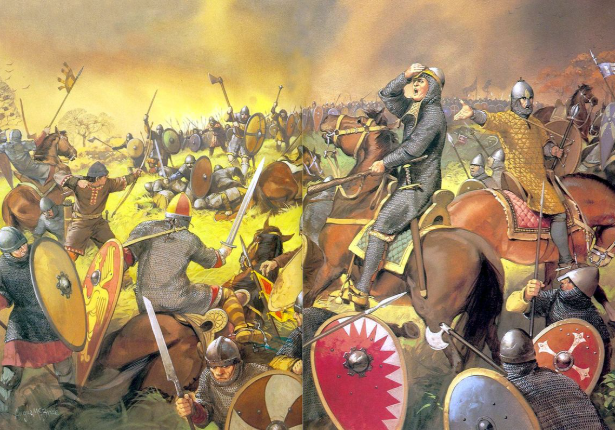
| Normandy Beaches | World War II (1944) | D-Day landing zones, Memorials | Somber, Heroic, Coastal |
| Versailles | 17th Century (Louis XIV) | Hall of Mirrors, Royal Gardens | Opulent, Luxurious, Grandiose |
Below, we meticulously unpack each destination, offering strategic travel insights, historical context, and architectural breakdowns to elevate your French travel experience.
Colmar: Historical Traces and the Magic of Alsace
Nestled in the heart of the Alsace region, Colmar is a living museum of cross-cultural history. Having alternated between French and German control over the centuries, the town’s architecture, cuisine, and dialect represent a seamless blending of both nations. Colmar survived the heavy bombardments of the World Wars largely unscathed, preserving a historical center that feels suspended in the 16th century.
The Architectural Tapestry of the Old Town
Walking through the Old Town of Colmar is akin to navigating a meticulously curated art gallery. The town is famous for its exceptionally well-preserved half-timbered houses (colombages). These structures, characterized by exposed wooden frames filled with wattle and daub, are painted in vibrant hues of mustard yellow, deep rust, and sky blue. This color-coding was historically used to denote the profession of the homeowner—bakers, butchers, and fishermen each had their distinct colors.
- Maison des Têtes (House of Heads): Built in 1609, this German Renaissance masterpiece is adorned with 106 grotesque carved stone masks. It stands as a testament to the wealth of the bourgeoisie during the era.
- Maison Pfister: Erected in 1537, this architectural gem features a two-story corner oriel window, intricate wooden galleries, and stunning biblical murals, showcasing the transition from Gothic to Renaissance styles.
Navigating Little Venice (La Petite Venise)
The Krutenau quarter, affectionately known as “Little Venice,” is the most photographed area in Colmar. Historically the neighborhood of market gardeners, butchers, and tanners, the Lauch River served as the primary artery for transporting goods. Today, visitors can take traditional flat-bottomed boat rides through these narrow canals. The weeping willows dipping into the water, combined with the floral displays on every windowsill, create an unparalleled romantic atmosphere. To fully appreciate this area, an early morning walk is highly recommended to avoid the dense afternoon crowds and capture the perfect reflection of the pastel houses on the calm water.

Carcassonne: The Ultimate Medieval Double-Walled Fortress
Rising from the plains of the Aude region like a mirage, the Cité de Carcassonne is the epitome of medieval military architecture. With its colossal double-walled fortifications and 52 distinct watchtowers, it looks as though it was pulled directly from the set of a fantasy epic like Game of Thrones. In fact, its imposing silhouette has inspired countless fictional castles and remains one of the most formidable defensive structures in European history.
The Anatomy of a Perfect Defense
The genius of Carcassonne lies in its concentric design. The fortress features an outer wall and an inner wall, separated by a dry moat known as the “lices” (lists). This space was intentionally designed to trap invaders who managed to breach the first wall, leaving them exposed to a lethal crossfire of arrows and boiling oil from the higher inner ramparts.
The strategic evolution of these walls spans centuries. The inner walls contain remnants of Gallo-Roman masonry from the 3rd and 4th centuries, identifiable by their distinct alternating layers of brick and limestone. The outer walls were commissioned by the French Kings in the 13th century to solidify their border against the Kingdom of Aragon. This layered history provides a physical timeline of medieval siege warfare.
The Comtal Castle and Viollet-le-Duc’s Legacy
At the heart of the Cité sits the Château Comtal (Count’s Castle), a fortress within a fortress. Built in the 12th century by the Trencavel family, it features its own moat, drawbridge, and defensive towers. Visitors can walk along the wooden hoardings—temporary wooden structures suspended from the battlements that allowed defenders to drop projectiles onto attackers below.
- The Restoration Controversy: In the 19th century, Carcassonne was in ruins and slated for demolition. Architect Eugène Viollet-le-Duc spearheaded a massive restoration project. While purists critique his addition of slate roofs (which are more typical of northern France than the southern Mediterranean), his visionary work saved the fortress and immortalized its fairy-tale silhouette for future generations.

Notre-Dame de Paris: The Millennial Whisper of Stone
For over 850 years, the Cathédrale Notre-Dame de Paris has stood on the Île de la Cité as the spiritual and cultural epicenter of France. It is not merely a building; it is a chronicle of French history carved in limestone. From the coronation of Napoleon Bonaparte to the liberation of Paris in 1944, Notre-Dame has borne witness to the nation’s most pivotal moments.
Mastering the Gothic Form: Flying Buttresses and Light
Notre-Dame is a crowning achievement of French Gothic architecture. Before its construction, Romanesque churches were dark, heavy, and limited in height due to the immense weight of their stone vaults. The architects of Notre-Dame utilized a revolutionary structural innovation: the flying buttress. These arched exterior supports pushed the weight of the roof outward and down into solid ground pillars.
This engineering marvel allowed the walls to be built higher and thinner, opening up vast expanses of wall space for the installation of massive stained-glass windows. The result was a sanctuary flooded with ethereal, divine light. The three spectacular Rose Windows, particularly the South Rose Window with its 84 panes depicting apostles, bishops, and martyrs, remain some of the greatest masterpieces of medieval glasswork.
The Gargoyles, The Fire, and The Resurrection
The exterior of Notre-Dame is guarded by an array of gargoyles and chimeras. While gargoyles serve a practical purpose as ornate waterspouts to direct corrosive rainwater away from the cathedral’s walls, the chimeras (added by Viollet-le-Duc in the 19th century) serve purely decorative, mythological roles, staring broodingly over the Parisian skyline.
On April 15, 2019, the world watched in horror as a devastating fire consumed the cathedral’s oak roof structure (known as “the forest”) and toppled its iconic spire. However, the millennial stone whispered a story of resilience. The main stone vault held, saving the interior. Today, a monumental global restoration effort is underway, utilizing traditional medieval carpentry techniques to rebuild the masterpiece, proving that Notre-Dame’s story is far from over.

Cannes Inland Villages: Sunshine, Vineyards, and Cobblestone Streets
While the glittering coastline of the French Riviera draws millions for its film festivals and luxury yachts, the true soul of the region lies just a few miles inland. The perched villages surrounding Cannes offer a romantic, sun-drenched escape into a world of terraced vineyards, ancient olive groves, and winding cobblestone streets.
Mougins and Grasse: Art and Aroma
The inland topography of the Côte d’Azur is dotted with “villages perchés” (perched villages), built high on rocky outcrops for defensive purposes during the turbulent Middle Ages. Today, these villages are havens of tranquility and culture.
- Mougins: Famous for its spiral cobblestone streets and vibrant bougainvillea, Mougins has long been a magnet for artists, including Pablo Picasso, who spent his final years here. The village is also a powerhouse of Provencal gastronomy, hosting international food festivals and boasting numerous Michelin-starred restaurants.
- Grasse: Recognized globally as the perfume capital of the world, Grasse’s microclimate is uniquely suited for cultivating jasmine, May roses, and tuberose. Visitors can tour historic perfumeries like Fragonard and Molinard to understand the complex distillation processes and even craft their own bespoke fragrances.
The Terroir and Provencal Viticulture
The vineyards surrounding these inland villages benefit from a Mediterranean climate—abundant sunshine, mild winters, and the cooling Mistral wind, which keeps the vines dry and free from disease. The local terroir produces exceptional Rosé wines, characterized by their pale pink hue, crisp acidity, and notes of wild strawberry and citrus. A deeply immersive travel experience involves booking a private tasting at a local “domaine,” where you can walk among the vines and pair regional wines with local tapenades and goat cheeses.

Normandy Beaches: Where History and Sea Breeze Intertwine
The coastline of Normandy is a place of profound duality. Today, it features serene, windswept beaches, dramatic chalk cliffs, and the rhythmic sound of the English Channel. Yet, beneath this peaceful sea breeze lies the heavy, indelible history of June 6, 1944—D-Day. This 50-mile stretch of coastline was the stage for Operation Overlord, the largest amphibious invasion in military history, which ultimately led to the liberation of Western Europe.
Mapping the Landing Zones
To truly comprehend the scale of the operation, visitors must explore the five distinct landing sectors, each bearing its own unique story of sacrifice and strategic execution:
- Omaha Beach: Known as “Bloody Omaha,” this American sector saw the fiercest fighting and highest casualties due to the steep bluffs and heavily fortified German bunkers. The landscape here is still scarred by craters from naval bombardments.
- Utah Beach: The westernmost landing zone, also an American sector, where troops successfully landed with relatively lighter casualties, aided by airborne drops inland.
- Gold, Juno, and Sword Beaches: Assaulted by British and Canadian forces, these beaches required navigating dense urban combat in coastal towns and overcoming formidable anti-tank obstacles.
Monuments of Remembrance
The emotional gravity of Normandy is anchored by its memorials. The Normandy American Cemetery and Memorial in Colleville-sur-Mer is a deeply moving site. Here, 9,388 perfectly aligned white marble crosses and Stars of David overlook Omaha Beach. The pristine condition of the grounds stands in stark contrast to the violence of the battle, offering a space for silent reflection. Additionally, the Pointe du Hoc—a 100-foot cliff scaled by US Army Rangers under heavy fire—remains largely as it was in 1944, with shattered concrete bunkers and deep bomb craters preserved as an open-air museum.

Grande Île de Strasbourg: A Romantic Symphony of German and French Styles
Encircled by the arms of the Ill River, the Grande Île (Large Island) of Strasbourg is a UNESCO World Heritage site that perfectly encapsulates the historical tug-of-war between France and Germany. This island is the historic center of the Alsatian capital, offering a dense concentration of monumental architecture, winding waterways, and a unique cross-border identity.
The Cathédrale Notre-Dame de Strasbourg
Dominating the skyline of the Grande Île is the Strasbourg Cathedral. Described by Victor Hugo as a “gigantic and delicate marvel,” this sandstone masterpiece was the world’s tallest building for over 200 years. Its single, asymmetrical spire reaches 142 meters into the sky.
The cathedral’s exterior is a lacework of pink Vosges sandstone, which changes color depending on the angle of the sun. Inside, the true marvel is the Renaissance Astronomical Clock. Every day at 12:30 PM, the clock’s automaton figures spring to life, depicting the different stages of life parading before Death, while the apostles march past Christ. This mechanical wonder is a testament to 16th-century engineering, combining mathematics, astronomy, and theology.
La Petite France and the Covered Bridges
At the western end of the Grande Île lies La Petite France, the city’s most picturesque district. Historically the home of millers, tanners, and fishermen, the area is defined by its network of canals and massive, sloping-roofed half-timbered houses. The roofs were specifically designed to be steep and open-gabled to allow animal hides to dry in the wind.
Guarding the entrance to this district are the Ponts Couverts (Covered Bridges). Although they lost their wooden roofs in the 18th century, the imposing 13th-century stone watchtowers remain intact. Just beyond them sits the Barrage Vauban, a defensive weir built in the 17th century by military engineer Sébastien Le Prestre de Vauban. Visitors can climb to the panoramic terrace of the barrage for an unparalleled view of the canals framing the cathedral in the distance.

Mont Saint-Michel: Europe’s Most Stunning Medieval Tidal Spectacle
Rising dramatically from the tidal flats where Normandy meets Brittany, Mont Saint-Michel is a vision that defies logic. It is a fortified island, a masterpiece of gravity-defying medieval architecture, and a historic pilgrimage site that has captured the human imagination since the 8th century. The silhouette of the abbey, culminating in the golden statue of the Archangel Michael slaying a dragon, is one of the most recognizable landmarks in Europe.
The Architecture of the Heavens
Building a massive stone abbey on a steep, rocky islet presented unprecedented logistical and engineering challenges. The structural layout of Mont Saint-Michel is highly symbolic, reflecting the feudal hierarchy of the Middle Ages. At the very bottom, outside the walls, lived the fishermen and farmers. Inside the lower walls were the shops and houses of the merchants. The great halls and abbey buildings were reserved for the nobles and monks, and crowning the summit—closest to God—was the abbey church itself.
The most stunning architectural achievement on the mount is “La Merveille” (The Marvel). Built in the 13th century, this Gothic masterpiece consists of three superimposed layers of monastic buildings supported by massive sheer walls. It includes the elegant cloister, suspended seemingly in mid-air, which features staggered double rows of delicate columns that create an optical illusion of endless depth.
Navigating the Treacherous Tides
The magic of Mont Saint-Michel is intrinsically linked to its environment. The bay experiences some of the highest and fastest tides in Europe, with water levels fluctuating by up to 15 meters. Historically, the sea would completely surround the island at high tide, turning it into an impregnable fortress, before retreating miles away to reveal a vast, shimmering desert of sand and mud.
- Safety and Exploration: The bay is notorious for hidden quicksands and fast-moving tidal bores. While a modern bridge now allows safe, year-round access to the mount, walking across the bay barefoot in the footsteps of ancient pilgrims is a profound experience. However, this must strictly be done with a certified local guide who understands the lunar cycles and shifting sands.

The Palace of Versailles: The Ultimate Luxury Guide to the Sun King’s Estate
No exploration of French history is complete without a deep immersion into the absolute monarchy of Louis XIV. The Château de Versailles is the ultimate manifestation of royal absolute power, transforming a humble hunting lodge into the most opulent palace on Earth. It was designed not just as a residence, but as a gilded cage to control the French nobility and showcase the supremacy of the French crown.
The Galerie des Glaces (Hall of Mirrors)
The undisputed crown jewel of the palace is the Hall of Mirrors. Spanning 73 meters in length, this breathtaking gallery features 17 massive arched windows overlooking the gardens, directly mirrored by 17 arcades containing 357 individual mirrors on the opposite wall. In the 17th century, mirrors were among the most expensive items in the world, monopolized by the Venetian Republic. Louis XIV covertly brought Venetian artisans to France to manufacture these mirrors, proving France’s new economic and artistic dominance.
The ceiling, painted by Charles Le Brun, chronicles the military and political victories of the Sun King. It was in this very room that the German Empire was proclaimed in 1871, and where the Treaty of Versailles was signed in 1919, officially ending World War I. The historical weight of the room is matched only by its blinding visual splendor.
The Grand Trianon and Marie Antoinette’s Estate
To escape the suffocating etiquette of the main court, the royals built private retreats on the estate grounds. The Grand Trianon, constructed of pink marble, served as Louis XIV’s private getaway. Later, Queen Marie Antoinette was gifted the Petit Trianon, where she constructed a rustic, idealized farming village known as the “Hameau de la Reine” (The Queen’s Hamlet). Here, she could pretend to live a simple pastoral life, complete with a working dairy and mill, far removed from the strictures of Versailles protocol.
Mastering the Gardens of André Le Nôtre
The Gardens of Versailles are the pinnacle of the French formal garden style (jardin à la française). Designed by landscape architect André Le Nôtre, nature was forced to submit to geometric perfection. The gardens span 800 hectares and feature meticulously manicured parterres, grand perspectives, and over 600 fountains.
The engineering required to power these fountains in the 17th century was staggering, requiring the redirection of rivers and the construction of the Machine de Marly. Today, visitors should plan their trip around the “Grandes Eaux Musicales” (Musical Fountains Show), where the fountains dance to the baroque music of Lully and Handel, recreating the sensory experience of a royal promenade.
Frequently Asked Questions (FAQ)
- Q1: What is the optimal time of year to visit these French historical landmarks?
- The shoulder seasons—spring (April to June) and early autumn (September to October)—are ideal. During these months, the weather is mild, making outdoor explorations of Versailles’ gardens or the Normandy beaches comfortable. Furthermore, you will avoid the intense crowds and peak heat of the European summer (July and August), allowing for a more intimate experience at high-

Related Posts