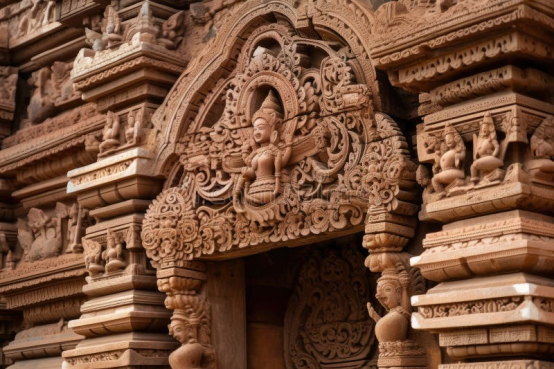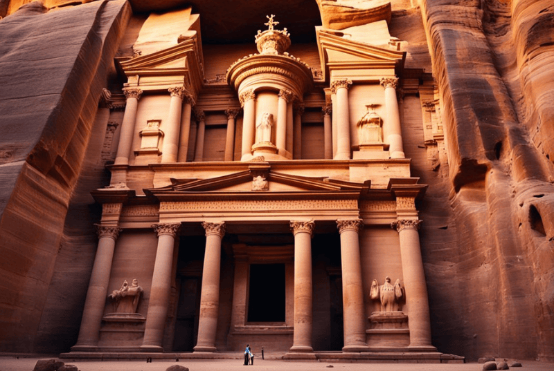
Petra, this ancient city hidden in the heart of the Jordanian desert, is like a historical gem, buried deep in the dust of time. It is not only one of the most awe-inspiring archaeological sites in the world, but also a treasure of human civilization, condensing countless historical stories and unsolved mysteries. As a UNESCO World Heritage Site, every inch of Petra tells a story of legend and exploration, attracting the attention of countless travelers and history lovers.
This city, nestled in the rugged mountains, combines the magnificence of nature with the crystallization of human wisdom with its unique red rocks and majestic architectural wonders. Walking into Petra is like entering a completely different world. Here, you will find that you are not just touring a city, but traveling through thousands of years of history, witnessing with your own eyes how civilization took root in this barren desert.
The history of Petra: from glory to silence
The story of Petra spans thousands of years and is a complex and tortuous history. From a Neolithic settlement to the rise of the Nabataean Kingdom and then to the annexation of the Roman Empire, each turn makes Petra more mysterious and fascinating.
Once upon a time, Petra was the capital of the Nabataeans, and prosperous commerce and sophisticated water conservancy projects made this city full of vitality in the Arabian Desert. Imagine that thousands of years ago, caravans passed through here, and the trade of spices and incense made Petra an important node on the Silk Road. So, what made this city take root in the desert? Was it the ingenuity of water conservancy projects, or the excellent architectural skills of the Nabataeans?
However, as time went by, Petra’s glory began to decline. In 106 AD, the Roman Empire annexed the Nabataean Kingdom, but Petra remained prosperous. It was not until the great earthquake in 363 AD that the city began to decline. As trade routes changed, Petra was gradually abandoned and sank into the desert, almost becoming a forgotten corner. Is it true that no one remembers its glory anymore? It was not until the 19th century that Petra was rediscovered by the Western world.
Architecture of Petra: History Carved in Stone
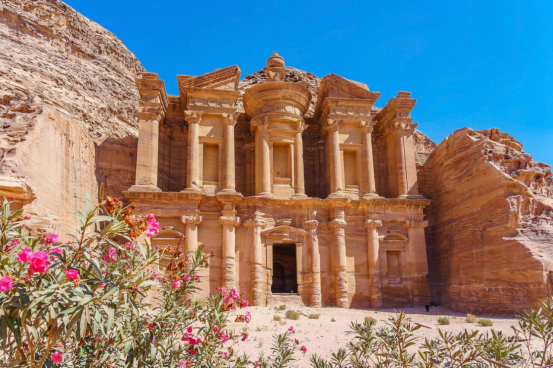
When you enter Petra, the most eye-catching thing is the buildings carved on red sandstone. These rock-cut exterior walls are not only a symbol of the Nabataeans’ skills, but also a witness to the history of this city. The Treasury (Al-Khazneh), as the landmark of Petra, has a magnificent appearance and fine carvings. It is almost hard to believe that this is a building that relies entirely on manual carving. Every time you stand in front of the Treasury, do you ask yourself what kind of history it carries? Is it a temple or the emperor’s tomb? Perhaps we will never know.
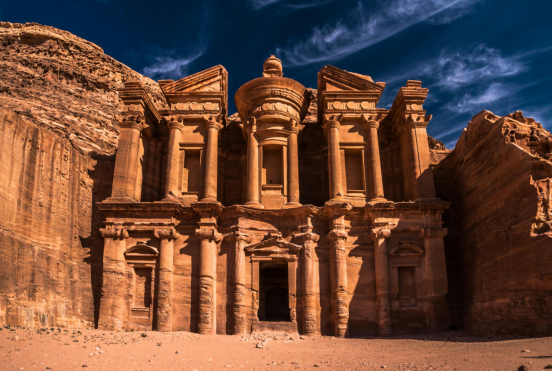
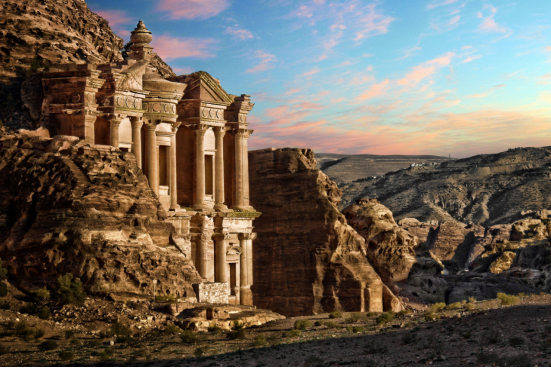
Ad-Deir is equally breathtaking. This building carved into pink rock, with its exquisite Greek-style decorations on the columns, reflects the Nabataeans’ pursuit of large-scale architectural art at the time. Standing in front of this monastery, it seems as if you can hear the whispers of ancient architects and craftsmen, how they carved such magnificence with their own hands in this desolate desert.
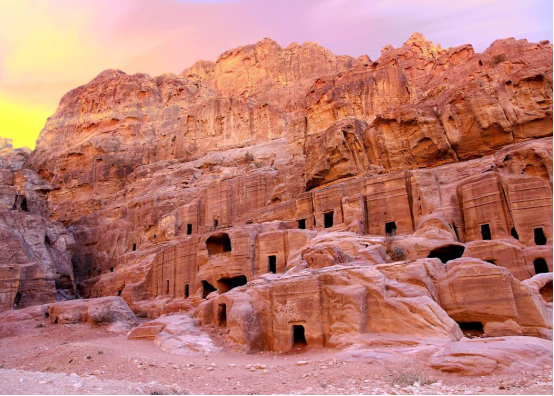
What is more worth mentioning is Petra’s water conservancy project and urban planning. The Siq Canyon is the only way to enter Petra. The narrow and winding canyon is flanked by an ingenious water pipe system that supports the city’s survival in an extremely arid environment. The royal tombs of Petra are equally stunning, with ancient carvings and magnificent exterior walls that demonstrate its former glory and dignity.
Tourism and conservation: balance and challenges
Today, Petra is one of the most important tourist destinations in the world. Its unique landscape and long history attract countless tourists. Every year, tens of thousands of people go to this desert to experience the mysterious charm of this “lost city”. However, with the influx of tourists, how to protect this thousand-year-old city has become a difficult problem before us.
The local Bedouins see the opportunities brought by tourism. From guiding to selling goods, they provide services to tourists while injecting vitality into the local economy. However, the development of tourism has also brought considerable pressure to the protection of Petra. How to balance the number of tourists and the protection of the ruins, how to keep the city’s historical context in the hustle and bustle of the modern world, has become an urgent problem to be solved.
The protection of Petra is not an easy task, but it has achieved certain results. Today’s archaeological park has taken a series of measures to protect the monuments and reduce the impact of tourism on the environment. The protection of the surrounding ecology has also gradually received attention. Only through stricter management and more detailed archaeological research can we ensure that this desert city can continue to tell its story in the future and show its wonders to more people.
Conclusion: The eternal charm of Petra
Petra is an ancient city full of legends and a treasure in the desert. Its glory and decline have long transcended the boundaries of time and become an eternal symbol in human history. Here, we can not only touch the glory of the past, but also see the hope of the future. It is not only a tourist attraction, but also a bridge for us to communicate with history and nature.
This city may be buried deep in the desert forever, but its story will never disappear. As long as we listen carefully and protect it with actions, the charm of Petra will never fade and continue to shine in the desert.
Related Posts