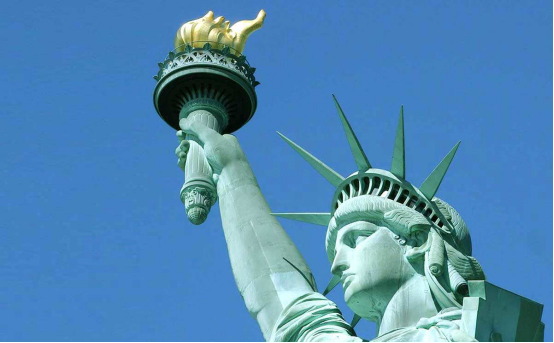
The Statue of Liberty – This majestic statue is a friendship gift from the French people to the United States and a symbol of freedom and democracy. On October 28, 1886, President Grover Cleveland personally unveiled the statue, marking its official becoming a part of the United States. But have you ever wondered why this statue still represents freedom and hope around the world?
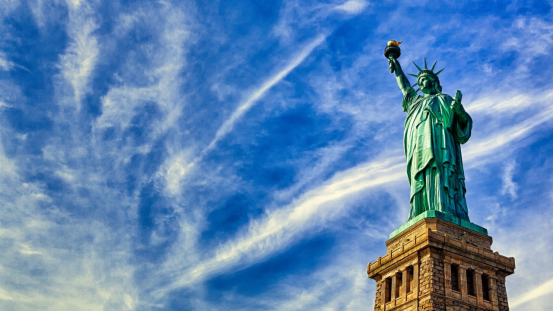
It is not only a cultural landmark of the United States, but also an everlasting beacon in the hearts of people all over the world. Imagine standing in New York Harbor and looking up at the towering statue, with the torch shining in the sunlight. It is not just a sculpture, but freedom itself smiling, announcing to the world: as long as you dare to pursue, you can find the light. Each beam of light represents the desire for freedom and the yearning for a better future of that era.
The design inspiration of the Statue of Liberty comes from the ancient Roman goddess of liberty, Libertas. The designers of the statue, French sculptor Bartholdi and politician René Laboulaye, initially just wanted to make a monument, but who would have thought that today the Statue of Liberty has surpassed any simple commemorative significance and has become a symbol of people around the world’s pursuit of freedom and democracy? The torch she holds up shines with the light of hope, as if telling every viewer: “Freedom is the eternal pursuit.”
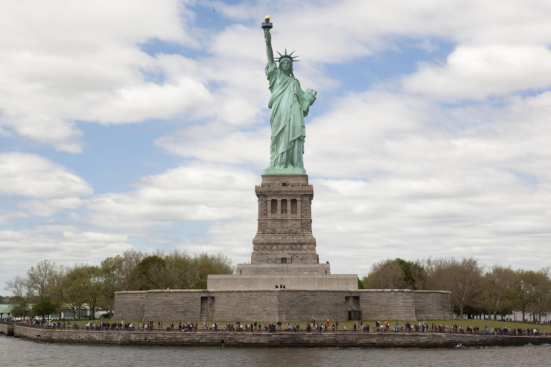
However, the true meaning of this statue is far more than that. Have you ever noticed the seven rays of light on her head? What do those seven rays of light represent? Some say that it symbolizes the vast territory of the seven continents and seven oceans, while some scholars believe that it represents seven basic freedoms: civil liberty, moral freedom, national freedom, natural freedom, personal freedom, political freedom and religious freedom. Have you ever been shocked by these profound symbolic meanings? Every inch of the design of the Statue of Liberty seems to tell us that this statue is not just a symbol, but behind it is the endless desire and pursuit of freedom from generation to generation.
Looking back at history, you will find that the birth of the Statue of Liberty was not accidental. In fact, this statue is France’s affectionate response to the American War of Independence. When the United States finally gained independence and ended years of oppression, France became the first country to extend a hand of friendship to the United States. It can be said that as early as when France fought for the independence of the United States, it had already sown the seeds of freedom, democracy and human rights in its heart. The establishment of the Statue of Liberty is a symbol of the common pursuit of freedom by the people of the two countries across time and space.
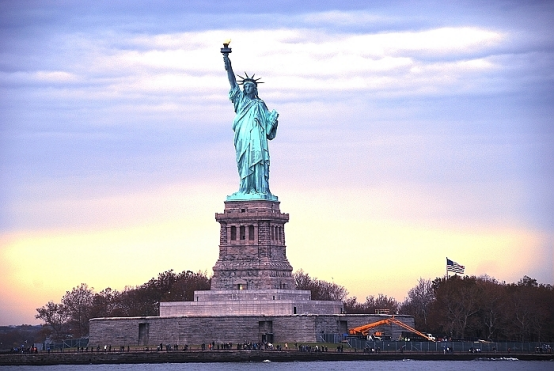
So why does the Statue of Liberty still move people so much today? Is it just a historical relic? Or does it contain a spiritual power that transcends time and space? Perhaps the answer lies in the light of the torch: it always reminds us that true freedom is the most precious wealth of mankind. No matter how time passes, no matter how the world changes, the desire for freedom has never changed.
From the harbor of New York to every corner of the world, the Statue of Liberty is an eternal symbol. It is not only a symbol of the United States, but also a symbol of the common pursuit of freedom, democracy and hope by people all over the world. Under the glory of this statue, all souls seeking freedom seem to be able to find their own warmth and strength.

Related Posts