Mystery and magnificence: symbols of Khmer civilization
Have you ever dreamed of visiting that mysterious and magnificent place, where there is not only a witness to history, but also a fusion of culture and faith? Angkor Wat, located in the northwest of Cambodia, is such a breathtaking temple complex. It not only represents the glory of the ancient Khmer civilization, but also condenses thousands of years of religious, artistic and engineering wisdom.
Today, Angkor Wat has become one of the most magnificent religious monuments in the world. Located in the heart of the ancient Khmer Empire, it was once the spiritual center of a vast and culturally rich empire. It is not only a sacred place where Hinduism and Buddhism interweave, but also reflects the extraordinary architectural achievements and cultural heritage of the Khmer people.
From Hindu temples to Buddhist shrines: The changing face of faith
Originally built for the Hindu god Vishnu, Angkor Wat’s origins date back to the 12th century. Khmer legend holds that it was miraculously built overnight at the behest of the god Indra, but in reality, its construction took decades. This mythical origin story reflects not only the Khmer people’s reverence for the gods, but also their sophisticated understanding of engineering and art.
Over time, the function and significance of Angkor Wat has gradually changed. When Buddhism gradually emerged in Southeast Asia, Angkor Wat also changed and became an important Buddhist holy site. Its architectural style and sculpture art, at the intersection of Hinduism and Buddhism, demonstrate the fluidity and inclusiveness of Khmer culture.

Grandeur and sophistication: the architectural wonder of Angkor Wat
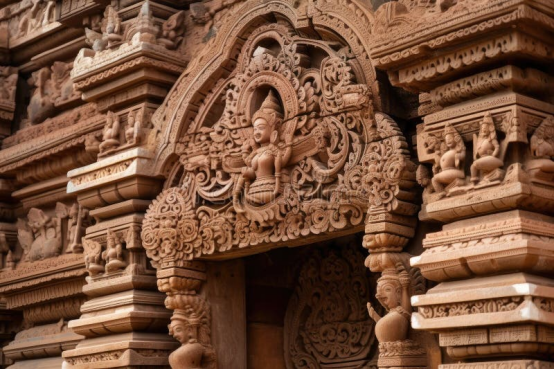
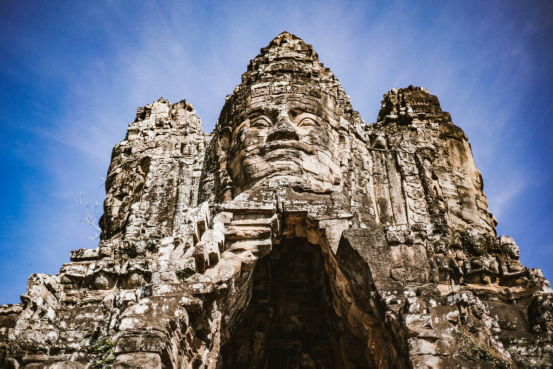
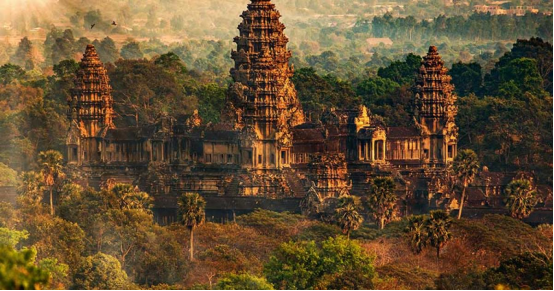
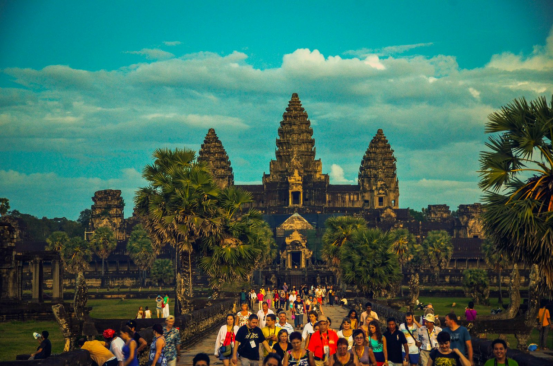
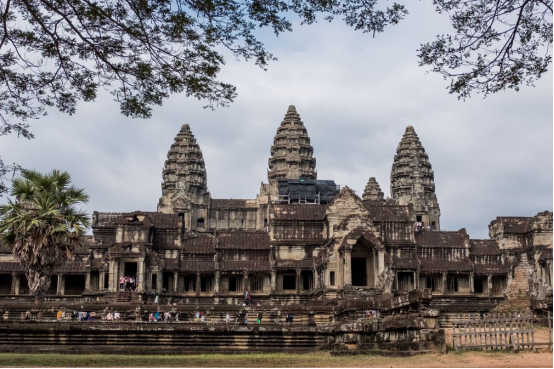
Approaching Angkor Wat, you will be immediately struck by its scale and grandeur. The layout of the temple is intricate and complex, with five towers rising into the sky, each of which is a symbol of the sacred place. The vast courtyards and galleries around it are full of intricate carvings and sculptures, showcasing the artistic talent of the Khmer civilization.
Particularly impressive are the labyrinthine galleries on the temple walls. They are decorated with delicate bas-reliefs that vividly depict many classic scenes from the Hindu epics Ramayana and Mahabharata. These carvings are not just artistic presentations, but also vivid records of history and religion – they provide us with a precious window into the religious beliefs, social customs and daily life of the ancient Khmer people.
Can you imagine that as you walk through the sculptures inlaid with mythological figures, gods, goddesses and mysterious creatures, you seem to have traveled through time and space to share this unique spiritual world with the ancient Khmer people?
The spiritual significance of Angkor Wat: a cultural bridge and identity symbol
Angkor Wat is not only the religious center of the Khmer Empire, but also a symbol of national identity. It has been transformed in many historical changes, especially in religion, from Hinduism to Buddhism. This change reflects the flexibility and tolerance of Khmer society, and also makes Angkor Wat a cultural bridge that integrates different beliefs and cultures.
Although the architectural style and carving art of Angkor Wat have been deeply influenced by Hinduism and Buddhism, it has always retained a strong Khmer characteristic and has become a symbol of Khmer identity and national culture. Whether it is the carvings of Indian mythology or the gallery of Buddhist stories, it carries the spiritual home of the Khmer people and witnesses the ups and downs and glory of this great civilization.
Heritage and wonder: the modern relevance of Angkor Wat
Despite the wind and rain and war, Angkor Wat still stands tall, preserving stunning architectural and artistic treasures. This ancient religious site is not just a historical site, it has become a symbol of world cultural heritage, attracting thousands of tourists and scholars to visit and study.
Hidden deep in the dense jungle, it awaits adventurous travelers. When you step into this mysterious land, you will be deeply moved by its magnificence and tranquility. The towering spires, intricate carvings, and spacious courtyards will all make you marvel at the wisdom and creativity of the Khmer people.

Summary: Angkor Wat – Witness to Ancient Civilization
Angkor Wat is more than just a temple. It is a symbol of Khmer civilization and a miracle of ancient engineering and art. It witnessed the glory of a powerful empire and recorded the religious changes from Hinduism to Buddhism. Every tower, every carving, every courtyard contains profound historical and cultural value.
Today, Angkor Wat is not only the pride of Cambodia, but also a treasure of world culture. Standing in front of this ancient building complex, you can feel the pulse of Khmer civilization and hear the prayers and songs of believers echoing on this land for thousands of years.

Related Posts