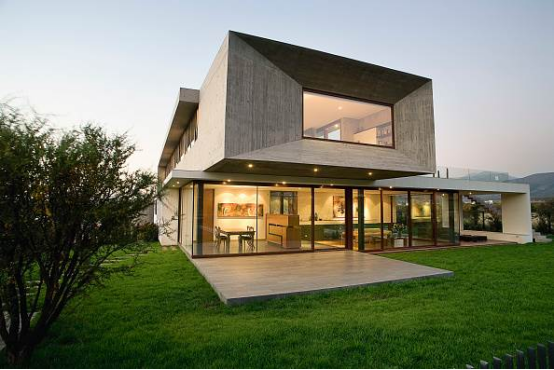
Modernist architecture, as one of the most influential architectural philosophies in the 20th century, abandoned gorgeous decorations, advocated minimalism, and redefined our understanding of aesthetics, space, and function. So why did this style rise in an era of accelerating industrialization and urbanization and become the mainstream of architectural design? What kind of ideas and breakthroughs are hidden behind it?
The Birth of Modernism: From Decoration to Function
When you stand in front of a modernist building, you will be attracted by its simple lines, geometric shapes and large glass curtain walls. However, behind this is a rebellion against history. The rise of modernist architecture is a direct response to the luxurious decorative styles of the past. Why should buildings follow complicated decorations and ignore their true functions? This was the question of many architects in the early 20th century, especially after the turmoil of the Industrial Revolution and World War, people had a desire for a new architectural language.
A key concept of modernist architecture is “form follows function”. This idea seems to be to get rid of the excessive decoration of the building surface in the past and turn the attention to the structure and practicality of the building itself. This way of thinking not only promotes the simplification of the building’s appearance, but also promotes the innovation of architectural technology.
The core of modernist architecture: simplicity and functionality
One of the hallmarks of modernist architecture is its simplicity. You can see that almost all designs no longer pursue gorgeous decorations, but instead perfectly combine form, material and function. Every line, every wall, and even every angle of the building is to serve the function of the space and the needs of the users. You will find that although such buildings look simple, they are full of rationality and order.
Modernist architects are not only satisfied with visual beauty, they are more concerned with the intrinsic function and structure of the building. For example, the use of steel, concrete and glass not only provides stronger structural support, but also makes the appearance of the building more modern and futuristic. Have you ever felt the open and free atmosphere in modern buildings? The seamless connection between large windows, terraces and open spaces is exactly what modernism pursues: to perfectly integrate architecture with nature.
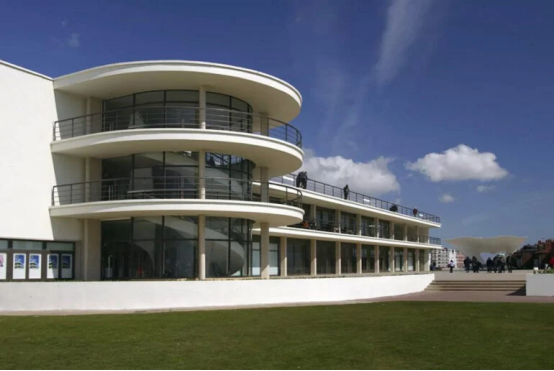
Industrialization and Technological Innovation: Driving Forces of Modernist Architecture
Looking back at history, the rise of modernism is no accident. In the late 19th century, with the advancement of industrialization and urbanization, architects realized that they needed a new approach to adapt to this rapidly changing world. The emergence of steel, glass, and concrete provided technical support for the innovation of modernist architecture. The emergence of these materials allowed architects to break through traditional construction limitations and create architectural spaces that were both modern and practical.
Can you imagine what today’s urban skylines would look like without modernist architecture? Would they still be those overly decorative, depressing buildings? Modernism allows us to see the perfect combination of architecture, technology and structure.
The impact of modernist architecture: cold or rational?
However, modernist architecture is not without controversy. Some people think it is too cold, lacks emotion, and even ignores the needs of environmental and humanized design. Yes, those extremely simple buildings are indeed difficult to give people a warm feeling, and may even make people feel isolated. But it is undeniable that the influence of modernism has been deeply rooted in the soil of contemporary architecture.
Modernist architecture does not pursue the beauty of the surface, but focuses on the perfect integration of the building’s internal structure and function. It teaches us that true aesthetics does not have to rely on decoration, but should be reflected through the design of structure and function.
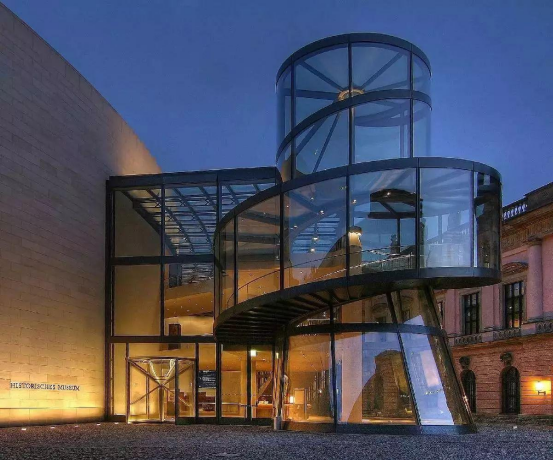
The Future of Modernist Architecture: Innovation and Sustainability
Today, the principles of modernist architecture still have a profound influence on contemporary architects. Although modernist architecture has been adjusted in form as society’s demands for the environment and sustainability increase, its core concepts – simplicity, functionality and innovation – remain. Whether in residential design, office space, or public buildings, the spirit of modernism has always inspired architects to create spaces that meet the needs of the times.
Does this mean that modernism is no longer suitable for today’s architectural needs? Of course not. On the contrary, today’s architects are exploring how to incorporate more environmental design concepts and technological innovations while maintaining simplicity and functionality through the framework of modernism. This balance may be the most important challenge we need to face in architectural design in the 21st century.
Conclusion: Modernism’s Lasting Legacy
Modernist architecture has left an indelible mark on the world. From the pioneering architects of the early 20th century to today’s innovative designs, the simplicity, rationality and technological innovation represented by modernism are still shaping the way we interact with the environment. When you walk on the streets of the city and look up at those modernist-style buildings, can you feel the power and meaning they convey?
Modernism is not just an architectural style, it is a philosophy, a pursuit of rationality, functionality and simple aesthetics in a fast-paced, information-based era. It reminds us that in a complex world, simplicity is sometimes the most powerful expression.
Related Posts