The Paradigm Shift in Sustainable Architecture: From Waste to Wonder
The contemporary architectural landscape is undergoing a profound metamorphosis, shifting away from linear consumption models toward a regenerative, circular economy. At the forefront of this revolution is the integration of recycled aggregates, transforming what was once considered demolition debris into foundational elements of modern design. The construction industry has historically been one of the largest consumers of virgin raw materials and a massive generator of landfill waste. By reimagining concrete, brick, and glass waste as valuable secondary resources, architects are not only mitigating environmental degradation but also unlocking entirely new aesthetic and structural possibilities.
Recycled Concrete Aggregates (RCA) are produced by crushing, grading, and purifying demolition waste. This process removes contaminants such as steel reinforcement, wood, and plastics, resulting in a robust aggregate that can replace natural gravel and sand in new concrete mixes. The implications of this shift extend far beyond simple waste reduction; it fundamentally alters the carbon calculus of large-scale construction projects, drastically lowering the embodied energy associated with material extraction and transportation.
The Mechanics of Recycled Concrete Aggregates
Understanding the mechanical properties of recycled aggregates is crucial for their successful implementation in load-bearing structures. Unlike virgin aggregates, RCA often features a porous mortar coating from its previous life cycle. This unique characteristic requires specialized mix designs to account for higher water absorption rates while maintaining optimal compressive strength. Advanced grading technologies and the introduction of high-performance superplasticizers have enabled structural engineers to achieve parity with traditional concrete, ensuring that sustainability does not come at the expense of safety or durability.
- Embodied Carbon Reduction: Utilizing locally sourced demolition waste significantly cuts down on Scope 3 emissions related to the transport of heavy virgin materials from distant quarries.
- Resource Decoupling: By relying on existing urban infrastructure as a “material bank,” cities can decouple their growth from the depletion of natural sand and gravel reserves.
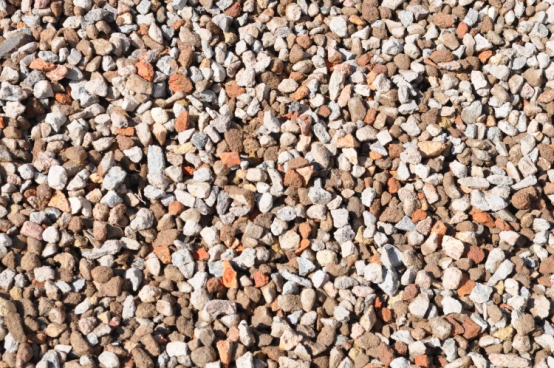
- Aesthetic Innovation: Exposed aggregate finishes using recycled glass or crushed red brick offer architects a unique, textured palette that visually communicates the building’s sustainable narrative.

Redefining Interior Spaces: Upcycling Construction Materials into Furniture
The ethos of circularity is not confined to the structural shell of a building; it permeates deeply into interior architecture and bespoke furniture design. A compelling manifestation of this trend is seen in the innovative approaches of design firms like Spactrum, who have successfully transformed raw, leftover construction materials into highly functional, aesthetically striking office furniture. This approach challenges the conventional boundaries between the rough, industrial nature of construction sites and the refined, ergonomic requirements of modern workspaces.
By upcycling materials such as scaffolding pipes, discarded rebar, oriented strand board (OSB) offcuts, and raw concrete blocks, designers can create bespoke pieces that boast a distinct “functional brutalism.” This methodology not only diverts high-embodied-energy materials from landfills but also drastically reduces the need for mass-produced, heavily processed commercial furniture. The resulting pieces serve as tangible, daily reminders of the firm’s commitment to ecological stewardship, fostering a workspace environment that is both intellectually stimulating and environmentally responsible.
Ergonomics Meets Industrial Waste
The primary challenge in upcycling construction materials into furniture lies in bridging the gap between raw industrial form and human-centric ergonomics. Leftover rebar, while structurally immense, requires careful treatment—such as powder coating or clear sealing—to prevent oxidation and ensure a tactilely pleasing finish. Similarly, raw concrete used as desk bases must be meticulously cast and polished to prevent dusting while providing stable, immovable anchors for work surfaces.
- Scaffolding Shelving Systems: Utilizing galvanized steel scaffolding tubes and clamps allows for modular, infinitely adjustable storage solutions that can evolve with the dynamic needs of a growing office.
- Rebar Workstations: Welded rebar frames, paired with reclaimed timber or upcycled composite tops, offer unparalleled durability and a striking, skeletal aesthetic that visually lightens the mass of the furniture.
- Acoustic Baffling from Debris: Leftover insulation materials and fabric offcuts can be ingeniously repurposed into acoustic ceiling baffles, improving office soundscapes while utilizing 100% diverted waste.

Pioneering Bio-Based Solutions: Transforming Woodland Waste into Sustainable Panels
While the upcycling of industrial and demolition waste addresses the inorganic material stream, the architectural avant-garde is simultaneously revolutionizing the use of organic byproducts. Pioneering research and development by organizations like Material Cultures have demonstrated the immense potential of transforming woodland waste—such as low-grade timber, branches, bark, and forestry offcuts—into highly engineered, sustainable building panels. This bio-based approach not only provides an alternative to carbon-intensive synthetic materials but also actively supports sustainable forest management practices.
Traditionally, woodland waste is either left to decompose, releasing carbon back into the atmosphere, or burned for low-efficiency biomass energy. By capturing this organic matter and binding it using natural bio-resins or mycelium (the root structure of fungi), material scientists can create structural, insulative, and acoustic panels that act as long-term carbon sinks. These panels offer a breathable, non-toxic alternative to conventional Medium-Density Fiberboard (MDF) or fiberglass insulation, drastically improving indoor air quality while reducing the building’s overall ecological footprint.
Sourcing and Processing Woodland Byproducts
The creation of woodland waste panels begins with the strategic harvesting of forestry byproducts. This process often involves utilizing materials generated from necessary woodland thinning—a practice essential for preventing wildfires and promoting the health of mature trees. Once collected, the varied organic matter is chipped, dried, and graded. The innovation lies in the binding agents; moving away from formaldehyde-heavy synthetic glues, contemporary manufacturers utilize lignin-based adhesives or harness the natural binding power of mycelial growth to fuse the wood chips into rigid, durable boards.
- Exceptional Thermal Insulation: The natural cellular structure of woodland waste, combined with the microscopic air pockets introduced during the binding process, results in panels with outstanding thermal resistance, reducing a building’s reliance on artificial heating and cooling.
- Acoustic Dampening: The varied density and textured surface of these bio-panels make them highly effective at absorbing sound waves, rendering them ideal for interior cladding in open-plan offices or public auditoriums.
- End-of-Life Biodegradability: Unlike synthetic composites, panels bound with natural bio-resins or mycelium can be safely composted at the end of their lifecycle, returning valuable nutrients to the soil and completing a truly circular material loop.

Comparative Analysis: Traditional vs. Recycled Building Materials
To fully grasp the transformative impact of these material innovations, it is essential to conduct a rigorous comparative analysis against traditional construction standards. The adoption of recycled aggregates, upcycled furniture, and woodland waste panels is not merely an ideological choice; it is increasingly becoming a financially and structurally superior strategy. By evaluating these materials across multiple dimensions—including carbon footprint, lifecycle cost, structural performance, and aesthetic versatility—architects and developers can make data-driven decisions that align with both environmental mandates and economic realities.
The following table provides a comprehensive breakdown of how these circular materials stack up against their conventional, linear-economy counterparts. The data underscores a clear trajectory: while initial research and development or bespoke fabrication might incur slight premiums, the long-term operational savings, regulatory compliance benefits, and environmental mitigation heavily favor upcycled and bio-based alternatives.
| Material Category | Traditional Conventional Option | Circular / Upcycled Alternative | Carbon Footprint Impact | Primary Structural/Aesthetic Benefit |
|---|---|---|---|---|
| Concrete Aggregates | Virgin Sand and Mined Gravel | Recycled Concrete Aggregates (RCA) | Up to 40% reduction in embodied carbon (due to eliminated mining and transport). | Maintains high compressive strength while diverting massive volumes of demolition waste from landfills. |
| Interior Paneling | Formaldehyde-bound MDF / Drywall | Woodland Waste & Bio-Resin Panels | Acts as a net-negative carbon sink; eliminates toxic off-gassing. | Superior acoustic dampening, breathable vapor permeability, and a unique, organic aesthetic. |
| Office Furniture | Mass-produced Steel and Plastic Desks | Upcycled Rebar and Scaffolding | Near-zero manufacturing emissions; relies entirely on diverted industrial waste. | Extreme durability, modular adaptability, and a bespoke “functional brutalist” design narrative. |

Strategic Implementation of Circular Economy Principles in Design
Transitioning from theoretical sustainability to practical application requires a systemic overhaul of standard architectural workflows. The strategic implementation of circular economy principles demands that architects, engineers, and contractors collaborate from the earliest conceptual stages. This proactive approach ensures that the sourcing of recycled aggregates, the integration of woodland waste panels, and the design of upcycled interior elements are seamlessly woven into the project’s critical path, rather than treated as post-rationalized add-ons.
A fundamental component of this strategy is the adoption of “Design for Deconstruction” (DfD) methodologies. When designing with upcycled construction materials or bio-based panels, the connections and fixings must be reversible. By utilizing mechanical fasteners instead of chemical adhesives, architects ensure that the materials can be easily disassembled, recovered, and repurposed in future projects, thereby extending their lifecycle indefinitely and maintaining their inherent value.
Material Passports and Lifecycle Tracking
To effectively manage the complexities of a circular supply chain, the industry is increasingly turning to digital innovation, specifically the use of Material Passports. These digital documents catalog the exact composition, origin, structural properties, and disassembly instructions for every component within a building. When a structure utilizing recycled aggregates or bespoke scaffolding furniture reaches the end of its current use, the Material Passport provides future developers with a precise inventory of available resources, transforming the building into a highly organized material bank.
- Pre-Demolition Audits: Before clearing a site, rigorous audits must be conducted to identify salvageable materials—such as structural timber, brick, and concrete—that can be processed into aggregates or upcycled into furniture directly on-site.
- Localized Supply Chains: Maximizing the environmental benefits of woodland waste panels and RCA requires sourcing raw waste materials within a tight geographic radius, thereby minimizing transportation emissions and supporting local waste-processing economies.
- Stakeholder Education: Contractors and tradespeople must be trained in the specific handling, curing, and installation techniques required for non-traditional bio-based materials and recycled mixes to ensure optimal performance.

The Future Landscape of Regenerative Architecture
As we look toward the future, the integration of recycled aggregates, upcycled construction materials, and woodland waste panels represents merely the genesis of a broader regenerative architecture movement. The ultimate goal is to transition beyond “sustainable” buildings—which merely aim to minimize harm—to “regenerative” structures that actively heal their environments. This involves buildings that purify the air, generate more energy than they consume, and act as massive carbon sinks through the extensive use of bio-based and upcycled materials.
The scaling of these technologies will be heavily influenced by evolving regulatory frameworks and the tightening of global carbon emission standards. As green building certifications like LEED, BREEAM, and the WELL Building Standard place increasing emphasis on lifecycle carbon assessments and material health, the demand for verifiable, high-performance circular materials will skyrocket. This demand will, in turn, drive investment into advanced robotic waste sorting, bio-fabrication facilities, and localized upcycling hubs, cementing circularity as the undisputed standard of future construction.
Regulatory Shifts and Green Certifications
Governmental policies are beginning to reflect the urgency of the climate crisis, with many municipalities mandating strict waste diversion rates for demolition projects and offering tax incentives for the use of secondary materials. Furthermore, the integration of woodland waste panels and upcycled furniture directly contributes to accumulating points in major green certification programs. By drastically lowering the Global Warming Potential (GWP) of the project and ensuring superior indoor environmental quality through the elimination of Volatile Organic Compounds (VOCs), architects can achieve highest-tier sustainability ratings, significantly increasing the commercial value of the property.
Frequently Asked Questions (FAQ)
- What are Recycled Concrete Aggregates (RCA) and are they structurally safe?
- Recycled Concrete Aggregates (RCA) are produced by crushing and processing debris from demolished concrete structures. When properly graded and engineered with appropriate mix designs, RCA is entirely structurally safe and can perform on par with virgin concrete. It is frequently used in foundations, road sub-bases, and structural walls, subject to rigorous local building codes and material testing.
- How does upcycling construction materials into furniture benefit an office environment?
- Upcycling materials like scaffolding, rebar, and raw concrete into furniture prevents industrial waste from entering landfills and eliminates the carbon emissions associated with manufacturing new furniture. Environmentally, it lowers the office’s carbon footprint. Aesthetically, it provides a unique, bespoke “functional brutalist” design that fosters a creative, industrially authentic workspace while serving as a physical testament to a company’s sustainability values.
- What makes woodland waste panels a better alternative to traditional MDF?
- Woodland waste panels utilize forestry byproducts that would otherwise decay or be burned, turning them into a carbon sink. Unlike traditional MDF, which relies heavily on toxic, formaldehyde-based synthetic glues, these sustainable panels use natural bio-resins or mycelium as binding agents. This results in a product that offers superior acoustic and thermal insulation, eliminates harmful off-gassing, and is fully biodegradable at the end of its life.
- Is it more expensive to build with upcycled and circular materials?
- Initially, the bespoke nature of upcycled furniture or the specialized processing of certain bio-panels may carry a slight premium compared to mass-produced, linear-economy materials. However, when factoring in the reduction in waste disposal fees, savings from localized sourcing, potential tax incentives, and the long-term operational efficiency (such as the superior insulation of woodland panels), the lifecycle cost is often highly competitive or even lower than traditional construction.
- What is a Material Passport in the context of circular architecture?
- A Material Passport is a digital document that records the specific characteristics, origins, and structural properties of all materials and components used in a building. It includes detailed instructions on how the materials can be safely disassembled and separated. This ensures that at the end of the building’s life, materials like recycled aggregates and bio-panels can be easily recovered and reused, transforming the building into a future material bank rather than a source of demolition waste.

Related Posts