The Current State of Global Trade Tariffs and Risks
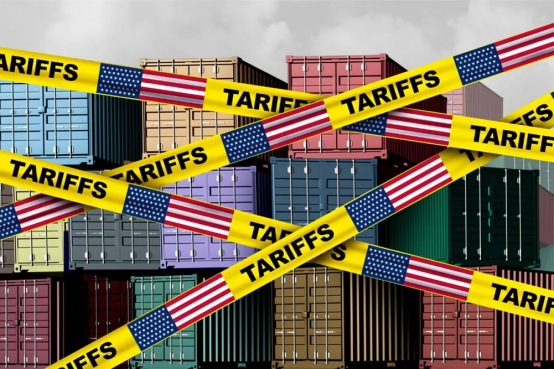
The global trade environment is currently defined by a persistent state of flux, particularly concerning the US-led tariff wars. While initial market reactions suggested that the worst of the economic fallout had been mitigated, the underlying structural risks remain largely unresolved. These tariffs are not merely temporary trade barriers but represent a fundamental shift in how global powers interact economically.
Mechanisms of Tariff Escalation
Modern trade wars operate through a cycle of retaliation that creates uncertainty for multinational supply chains. The primary issue is the weaponization of trade policy to achieve geopolitical goals, which often forces domestic markets to decouple from international dependencies.
- Supply Chain Fragility: Companies are moving from “Just-in-Time” to “Just-in-Case” inventory strategies.
- Inflationary Pressures: Increased tariffs are almost universally passed down to the consumer, creating long-term price level shifts.

East Asian Trilateral Trade Agreements and Geopolitical Barriers
Despite being natural economic partners, China, Japan, and South Korea face profound difficulties in establishing a comprehensive trilateral free trade agreement. This deadlock is driven by a complex interplay of historical grievances, security alliances, and divergent economic models.
The Triad Dilemma
The integration of these three economies would theoretically create the world’s largest economic bloc. However, national security concerns often override economic logic. The influence of external powers, particularly the United States, acts as a significant counterbalance to regional integration efforts.
| Factor | Impact on Trilateral Cooperation |
|---|---|
| Historical Disputes | High – Prevents trust-building |
| US Security Presence | Moderate – Restrains regional autonomy |
| Economic Complementarity | High – Strong incentive for integration |

Argentina’s Economic Evolution: From Prosperity to Populism
Argentina serves as a cautionary tale in economic history. Once among the wealthiest nations in the world at the turn of the 20th century, the country experienced a dramatic decline driven by decades of populist policies, fiscal mismanagement, and an inability to maintain stable institutional frameworks.
The Cycle of Reincarnation
The Argentine economic model has been characterized by “stop-go” cycles, where periods of growth are inevitably followed by debt crises and currency devaluation. This pattern is deeply rooted in the political preference for short-term consumption subsidies over long-term capital investment.
- Fiscal Deficits: A historical reliance on printing money to fund public spending has led to chronic hyperinflation.
- Institutional Instability: Frequent changes in economic philosophy between administrations prevent the formation of a coherent, long-term development strategy.

Evaluating Argentina’s Modern Shock Therapy Reforms
Eighteen months into the administration of Javier Milei, the “shock therapy” approach is being put to the test. This radical departure from previous economic management seeks to slash public spending, privatize state industries, and curb inflation through aggressive monetary tightening.
Measuring Success and Failure
The results of these reforms are mixed. While the government has achieved a primary fiscal surplus, the social cost—measured in terms of poverty rates and a contraction in domestic demand—has been severe. The central question remains whether the populace will sustain the political pressure required to see these structural changes through to completion.
Frequently Asked Questions (FAQ)
- Q1: Why do trade wars persist despite their negative impact on global growth?
- Trade wars persist because they are often utilized as tools for domestic political signaling and long-term strategic positioning, prioritizing national security and industrial autonomy over immediate GDP growth.
- Q2: What is the biggest obstacle to a China-Japan-South Korea FTA?
- The primary obstacle is the lack of political trust stemming from historical tensions, combined with the reality that all three nations have distinct security relationships with the United States that complicate a unified regional policy.
- Q3: Was Argentina ever a truly developed nation?
- Yes, in the late 19th and early 20th centuries, Argentina was ranked among the top ten wealthiest nations globally, primarily driven by its massive agricultural exports and high levels of foreign investment.
- Q4: Is Milei’s “Shock Therapy” sustainable in the long run?
- Sustainability depends entirely on the government’s ability to stabilize inflation and foster private-sector growth before the social tolerance for austerity is exhausted by the public.

Related Posts