The Dawn of the Atomic Age: The Manhattan Project
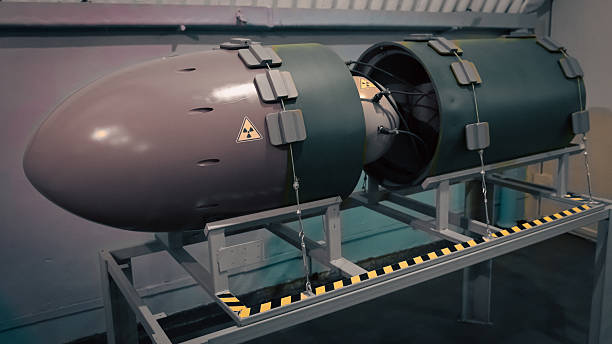
The history of global nuclear proliferation is rooted in the Manhattan Project, a top-secret research initiative led by the United States during World War II. This project marked the first time human beings successfully harnessed the power of nuclear fission for military application. The development of the atomic bomb fundamentally altered international security dynamics, shifting the nature of warfare from conventional strategies to the era of mutually assured destruction.
Technological Foundations of Fission
The technical breakthrough relied on the enrichment of uranium-235 and the production of plutonium-239. These processes required unprecedented industrial investment, establishing a precedent where nuclear capability became a marker of a nation’s scientific and industrial might.
- The Trinity Test: The successful detonation at the Alamogordo site proved the viability of nuclear weapons.
- Strategic Impact: The deployment of atomic weaponry in Japan brought an abrupt end to the war but sparked an immediate global arms race.

The Expansion of the Nuclear Club: From Five to Ten
While the initial “nuclear club” consisted of the P5 nations (United States, USSR/Russia, UK, France, and China), the subsequent decades saw a complex spread of technology. This proliferation was driven by national security anxieties, regional rivalries, and the dual-use nature of nuclear energy technology.
The Shift in Global Power Structures
The transition from a bipolar nuclear world to a multipolar one has introduced significant volatility. States outside the original framework—such as India, Pakistan, North Korea, and Israel—have developed arsenals that complicate regional security architectures.
| Nation | Estimated Status | Primary Driver |
|---|---|---|
| United States | Legacy Power | Deterrence/Global Hegemony |
| North Korea | Emerging Threat | Regime Survival |
| India/Pakistan | Regional Rivalry | Border Security |

Technological Challenges and Proliferation Risks
The proliferation of nuclear weapons is inseparable from the advancement of civilian nuclear energy. The enrichment of uranium for power reactors is technically similar to the process required for weapons-grade material, creating a persistent “breakout” risk that international monitors must constantly manage.
Dual-Use Technology Dilemmas
The international community faces the challenge of promoting clean energy while ensuring that enrichment technology does not cross into military production. This balance is maintained through the Non-Proliferation Treaty (NPT) and rigorous inspections by agencies such as the IAEA.

Geopolitical Implications of Modern Nuclear Arsenals
In the modern era, nuclear weapons serve as the ultimate deterrent, yet they also invite clandestine technological transfers and shadow diplomacy. The existence of ten nuclear-armed states demands a sophisticated approach to global diplomacy, moving beyond the Cold War paradigms of simple containment.
Frequently Asked Questions (FAQ)
- Q1: What defines a state as a “nuclear power”?
- A nuclear power is generally defined by the confirmed successful detonation of a nuclear explosive device, indicating the state possesses both the weapon design and the fissile material necessary for deployment.
- Q2: How has the NPT helped mitigate global proliferation?
- The NPT provides a framework for non-nuclear states to access peaceful nuclear energy in exchange for a binding commitment not to acquire weapons, monitored by international oversight.
- Q3: Why is the “dual-use” nature of nuclear tech a challenge?
- The infrastructure for fuel enrichment is largely identical for civilian power plants and weapons production, making it difficult for international monitors to distinguish between energy generation and military buildup.
- Q4: How many countries currently possess nuclear weapons?
- There are currently nine or ten states widely recognized or confirmed as possessing nuclear weapons: the US, Russia, China, UK, France, India, Pakistan, North Korea, and Israel, with the tenth spot often attributed to historical or ambiguous status.

Related Posts