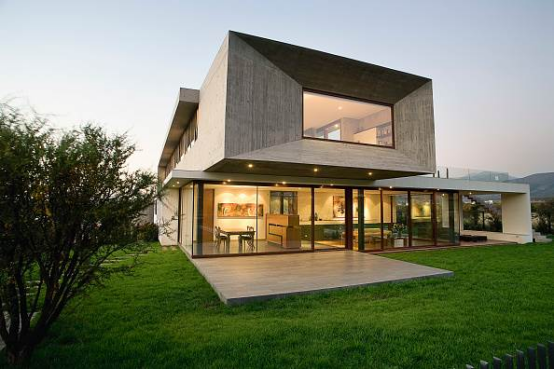
Wooden buildings stand as a testament to humanity’s connection with nature, offering unmatched aesthetic appeal, warmth, and a significantly lower carbon footprint compared to conventional materials like concrete and steel. From ancient log cabins to modern mass timber structures, wood has been a cornerstone of construction across diverse cultures. However, the inherent organic nature of wood presents unique vulnerabilities, primarily to fire and biological degradation caused by insects. Addressing these challenges is not merely about structural integrity and safety; it’s about safeguarding cultural heritage, promoting sustainable development, and ensuring the longevity of these remarkable edifices for future generations.
This comprehensive guide explores the multifaceted aspects of protecting wooden buildings. We will delve into the science behind fire and insect prevention, detailing advanced strategies and innovative solutions. Furthermore, we will examine how these protective measures align with broader sustainable development goals, drawing inspiration from the rich and resilient Nordic wood building tradition that seamlessly integrates durability with environmental consciousness.
The Timeless Appeal and Sustainability of Wooden Structures
Wood has been a preferred building material for millennia, prized for its natural beauty, versatility, and structural strength. Beyond aesthetics, wood offers substantial environmental benefits, positioning it as a cornerstone of sustainable construction. As a renewable resource, sustainably managed forests ensure a continuous supply, contrasting sharply with finite materials.
Environmental Benefits and Carbon Sequestration
One of wood’s most significant ecological advantages is its role in carbon sequestration. Trees absorb carbon dioxide from the atmosphere during their growth, storing it within their biomass. When wood is used in construction, this sequestered carbon remains locked within the building for its entire lifespan, effectively removing it from the atmosphere. This makes wooden buildings a crucial component in mitigating climate change. For instance, a cubic meter of wood can store approximately one ton of CO2. Moreover, the production of wood products generally requires less energy and generates fewer greenhouse gas emissions compared to the manufacturing of steel or concrete, further enhancing its environmental profile.
Aesthetic, Structural, and Biophilic Advantages
Architecturally, wood provides a unique warmth and character, contributing to a sense of well-being for occupants, a concept known as biophilia. Its workability allows for diverse design possibilities, from intricate carvings to vast, open-span structures made possible by engineered wood products like Cross-Laminated Timber (CLT) and Glued Laminated Timber (Glulam). Structurally, wood offers an excellent strength-to-weight ratio and natural insulation properties, contributing to energy efficiency within buildings. The inherent flexibility of wood also provides a degree of seismic resilience, allowing structures to absorb and dissipate energy during earthquakes.

Navigating the Dual Threats: Fire and Insect Infestation
Despite its many advantages, wood’s organic composition makes it susceptible to two primary threats: combustion and biological degradation by insects and fungi. Understanding these vulnerabilities is the first step toward effective protection and long-term preservation.
Understanding Wood’s Vulnerability to Fire
Wood is a combustible material, and in its raw form, it can ignite and contribute to the spread of fire. However, the way wood burns is often misunderstood. Large timber elements, unlike lightweight steel, tend to char on the outside, forming an insulating layer that protects the inner core and maintains structural integrity for a considerable period during a fire. This predictable charring rate can be factored into fire safety designs. Nonetheless, smaller timber elements, exposed surfaces, and specific conditions can accelerate fire spread and structural failure. The primary risks associated with fire in wooden buildings include:
- Ignition and Flame Spread: Exposed wood surfaces can ignite from heat sources, and flames can spread rapidly along untreated timber.
- Structural Collapse: While large timber chars, prolonged exposure to intense heat can eventually compromise its load-bearing capacity.
- Smoke and Toxic Fumes: Combustion of wood, especially treated wood, can produce smoke and hazardous gases, posing risks to occupants.
- Hidden Fires: Fires can smolder within concealed spaces in timber constructions, making detection and suppression challenging.
Common Insect Pests and Their Destructive Mechanisms
A variety of insects are drawn to wood as a food source or habitat, leading to significant structural damage if left unchecked. These pests can compromise the integrity of beams, floors, and walls, often working silently until extensive damage has occurred.
- Termites: These social insects, particularly subterranean termites, are notorious for consuming cellulose within wood, often hollowing out timbers while leaving the exterior intact. They require moisture and typically enter buildings from the ground.
- Wood-Boring Beetles: Species like powderpost beetles, deathwatch beetles, and common furniture beetles lay eggs in wood pores. Their larvae tunnel through the wood as they mature, creating intricate galleries and weakening the material. Exit holes, often accompanied by powdery frass, are tell-tale signs.
- Carpenter Ants: Unlike termites, carpenter ants do not eat wood but excavate tunnels and galleries to create nests. This hollowing out can still severely compromise structural elements. They prefer moist or decaying wood.
- Wood Wasps (Horntails): While less common in structural timber, some wood wasp species can infest freshly cut wood, with larvae boring deep tunnels.
The combination of these threats necessitates a multi-layered approach to protection, integrating both traditional wisdom and modern scientific advancements.

Advanced Strategies for Fire Prevention in Wooden Buildings
Effective fire prevention in wooden buildings involves a combination of passive and active measures, alongside the application of specialized treatments. These strategies aim to delay ignition, slow flame spread, and maintain structural integrity during a fire event.
Passive Fire Protection: Design and Materials
Passive fire protection is integrated into the building’s design and material selection, working without human intervention or mechanical systems during a fire. This approach is fundamental to creating resilient timber structures.
- Fire-Resistant Design: Modern timber construction often utilizes mass timber products (CLT, Glulam) known for their predictable charring rate. Designers can specify larger timber sections, which inherently provide more fire resistance due to the insulating char layer.
- Compartmentation: Dividing a building into fire compartments using fire-rated walls, floors, and doors restricts the spread of fire and smoke, allowing occupants more time to evacuate and firefighters to control the blaze.
- Fire-Rated Cladding and Barriers: Non-combustible or fire-resistant materials can be used to clad exposed timber surfaces, providing a protective layer that delays ignition and flame spread. This includes gypsum board, cement-fiber panels, or specialized fire-rated insulation.
- Protected Openings: Fire-rated windows, doors, and dampers in ventilation systems prevent fire and smoke from breaching compartment boundaries.
Active Fire Protection: Detection and Suppression Systems
Active fire protection systems are designed to detect fires early and initiate suppression, often automatically, to minimize damage and ensure occupant safety.
- Automatic Sprinkler Systems: These are among the most effective active fire protection measures. When activated by heat, sprinklers discharge water directly onto the fire, controlling or extinguishing it before it can spread significantly. Modern sprinkler technology is highly efficient and can be aesthetically integrated into timber designs.
- Fire Detection Systems: Smoke detectors, heat detectors, and advanced multi-sensor detectors provide early warning of a fire, alerting occupants and emergency services. These systems are crucial for rapid response and evacuation.
- Fire Extinguishers and Hose Reels: Manual firefighting equipment provides immediate means for occupants to tackle small fires, preventing them from escalating.
Fire-Retardant Treatments for Wood
Chemical treatments can significantly enhance wood’s resistance to fire, reducing its flammability and flame spread rate. These treatments are applied either during the manufacturing process or on-site.
- Pressure Impregnation: Wood is placed in a vacuum-pressure cylinder, where fire-retardant chemicals are forced deep into the wood fibers. This provides long-lasting, internal protection.
- Surface Coatings: Fire-retardant paints, varnishes, and intumescent coatings can be applied to the surface of wood. Intumescent coatings expand when exposed to heat, forming a thick, insulating char layer that protects the underlying wood.
- Non-Halogenated Formulations: Modern fire retardants increasingly focus on non-halogenated chemicals to reduce environmental impact and the production of toxic fumes during a fire. Examples include phosphates, borates, and nitrogen-based compounds.
The choice of treatment depends on the specific application, desired fire rating, and environmental considerations, often requiring careful consultation with fire safety engineers.

Comprehensive Insect Protection & Preservation Techniques
Protecting wooden buildings from insect damage requires a multi-pronged approach that combines careful material selection, chemical treatments, physical barriers, and ongoing maintenance. The goal is to make the wood an inhospitable environment for pests.
Material Selection: Naturally Resistant Wood Species
Some wood species possess natural resistance to insect attack due to their chemical composition, density, or the presence of extractives that are toxic or repellent to pests. Utilizing these species in vulnerable areas can reduce the need for chemical treatments.
- Heartwood Resistance: The heartwood (inner core) of certain species, such as Western Red Cedar, Redwood, Black Locust, and Teak, contains natural compounds (tannins, phenols) that deter insects and fungi. Sapwood, the outer layer, is generally less resistant.
- Density and Hardness: Denser, harder woods can be more challenging for insects to bore into, though this is not a foolproof barrier.
While naturally resistant woods offer an advantage, they are not impervious and may still require additional protection in high-risk environments.
Chemical Treatments and Preservatives
Chemical treatments are highly effective in protecting wood from insect attack, especially for wood used in ground contact or exposed to high moisture. Modern preservatives aim for efficacy with reduced environmental impact.
- Pressure-Treated Wood: Similar to fire retardants, preservatives like Alkaline Copper Quaternary (ACQ) or Copper Azole (CA) are pressure-impregnated into wood, providing long-term protection against termites, rot, and fungi. Chromated Copper Arsenate (CCA), while highly effective, has largely been phased out for residential use due to arsenic concerns.
- Borate Treatments: Boron-based compounds can be applied as sprays, dips, or pressure treatments. They are effective against a wide range of insects and fungi, are relatively low in toxicity to mammals, and can penetrate deeply into wood.
- Surface Insecticides: For existing infestations or surface protection, various insecticides can be applied. However, these often require reapplication and may not penetrate deeply enough for comprehensive protection.
Physical Barriers and Design Considerations
Architectural design and specific construction details can create physical barriers and environmental conditions that deter insects without relying heavily on chemicals.
- Termite Shields: Metal flashing or mesh installed at the foundation level can prevent subterranean termites from gaining access to the wooden structure.
- Moisture Control: Most wood-destroying insects and fungi thrive in moist conditions. Proper drainage, ventilation (especially in crawl spaces and attics), elevated foundations, and avoiding wood-to-soil contact are crucial.
- Foundation Design: Using concrete or masonry foundations with adequate clearance between the ground and wood elements significantly reduces insect access.
- Screening and Sealing: Fine mesh screens on vents and tight sealing of gaps can prevent flying insects from entering and laying eggs.
Integrated Pest Management (IPM) for Wood
An IPM approach combines monitoring, identification, and a range of control methods to manage pests with minimal risk to people and the environment. For wooden buildings, IPM involves:
- Regular Inspections: Periodic checks for signs of insect activity (frass, mud tubes, exit holes, damaged wood).
- Moisture Management: Promptly addressing leaks, ensuring good ventilation, and preventing water accumulation.
- Sanitation: Removing wood debris, stumps, and old lumber from around the building.
- Targeted Treatments: Applying chemical treatments only when and where necessary, rather than broad applications.
- Biological Controls: Though less common for structural wood, some research explores natural predators or fungi that target wood pests.

The Enduring Legacy of Nordic Wood Building Tradition
The Nordic countries—Finland, Sweden, Norway, Denmark, and Iceland—share a profound and enduring tradition of wood construction, shaped by abundant forest resources, harsh climates, and a deep respect for natural materials. This tradition offers invaluable lessons in durability, sustainability, and aesthetic integration.
Historical Development and Cultural Significance
For centuries, wood has been the dominant building material in the Nordic region. From Viking longhouses to medieval stave churches (particularly in Norway) and traditional Finnish log homes (hirsimökki), wood has been central to their architectural identity. This history is not merely about construction but reflects a cultural connection to the forest, where craftsmanship, resourcefulness, and resilience were paramount. The techniques developed over generations, such as intricate joinery and careful seasoning of timber, were born out of necessity to ensure structures could withstand severe winters and protect against decay.
Key Characteristics: Craftsmanship, Local Materials, and Energy Efficiency
The Nordic tradition is defined by several distinguishing features:
- Exceptional Craftsmanship: A strong emphasis on skilled joinery, meticulous detailing, and a deep understanding of wood’s properties. This often involved hand-hewn timbers and precision fitting to create robust, airtight envelopes.
- Utilization of Local Wood: Predominantly pine, spruce, and birch, sourced from sustainably managed local forests. This minimized transportation costs and environmental impact, fostering a circular economy even before the term was coined.
- Focus on Durability and Energy Efficiency: Traditional Nordic homes were designed to be incredibly well-insulated and wind-tight to conserve heat in cold climates. Thick log walls, often with moss or natural fibers for chinking, provided excellent thermal mass and insulation. Double-glazed windows and strategic placement to maximize solar gain were also common.
- Adaptation to Climate: Steep roofs shed snow effectively, while elevated foundations protected against ground moisture, demonstrating an intuitive understanding of building physics and preventive measures against decay and pests.
Modern Applications: Mass Timber and Sustainable Innovation
Today, the Nordic tradition continues to evolve, blending ancient wisdom with cutting-edge technology. The region is a global leader in modern timber architecture and engineered wood products.
- Mass Timber Construction: Countries like Sweden and Finland are at the forefront of using CLT and Glulam for multi-story residential and commercial buildings. These products offer superior strength, fire resistance, and speed of construction, making wood a viable alternative for larger structures.
- Prefabrication: Modular and prefabricated timber elements are increasingly used, allowing for faster, more precise construction with reduced waste on site.
- Sustainable Forestry and Design: The commitment to sustainable forest management remains strong, ensuring that wood is harvested responsibly. Modern Nordic architects continue to prioritize natural light, energy efficiency, and healthy indoor environments in their timber designs.
The Nordic approach demonstrates that wooden buildings can be both highly resilient and deeply sustainable, offering a powerful model for global construction.

Integrating Protection with Sustainable Development Goals
The dual challenge of protecting wooden buildings from fire and insects must be addressed within the broader framework of sustainable development. This means ensuring that protective measures are effective, environmentally responsible, and contribute to the long-term viability of wood as a sustainable building material.
Life Cycle Assessment (LCA) of Wood Treatments
Evaluating the environmental impact of fire retardants and insect preservatives requires a comprehensive Life Cycle Assessment (LCA). This analysis considers the entire lifespan of a product, from raw material extraction and manufacturing to application, use, and end-of-life disposal. An LCA helps to:
- Identify Environmental Hotspots: Pinpoint stages in the treatment’s life cycle that have the highest environmental impact (e.g., energy consumption during production, toxicity of chemical components).
- Compare Alternatives: Evaluate different treatment options based on their overall environmental footprint, encouraging the selection of more eco-friendly solutions.
- Inform Policy and Regulation: Provide data for developing standards and regulations that promote sustainable practices in wood preservation.
The goal is to choose treatments that maximize protection while minimizing ecological harm, considering factors like leachability into soil or water, biodegradability, and the generation of hazardous waste.
Eco-Friendly Alternatives and Bio-Inspired Solutions
Research and development are increasingly focused on creating protective solutions that are less reliant on harsh chemicals. These eco-friendly alternatives represent a significant step towards truly sustainable wooden construction.
- Bio-Based Fire Retardants: Utilizing natural compounds from plants or minerals that offer fire-resistant properties, reducing reliance on synthetic chemicals.
- Natural Insect Repellents: Exploring plant extracts, essential oils, or fungal treatments that deter or kill insects without harming the environment or human health. For example, specific fungi can be used as biocontrol agents against termites.
- Thermal Modification: Heat treatment of wood (thermally modified timber) can enhance its durability, dimensional stability, and resistance to decay and insects without the use of chemicals. The process alters the wood’s cellular structure, making it less palatable to pests and less susceptible to moisture absorption.
- Encapsulation and Coatings: Developing advanced, durable coatings that physically seal wood surfaces, preventing insect entry and moisture ingress, while being non-toxic.
Balancing Safety, Longevity, and Environmental Impact
The ultimate challenge is to strike a balance between providing robust protection for wooden structures, ensuring their longevity, and adhering to strict environmental standards. This involves:
- Risk-Based Approach: Applying the most intensive treatments only where necessary (e.g., ground contact, high-humidity areas) and using less invasive methods elsewhere.
- Integrated Strategies: Combining design solutions, natural resistance, and targeted treatments for a holistic approach.
- Education and Maintenance: Promoting awareness among builders and homeowners about proper installation, regular inspections, and timely maintenance to prevent problems before they become severe.
- Policy and Incentives: Governments and industry can drive sustainable practices through building codes, certifications (e.g., FSC for sustainably sourced wood), and financial incentives for eco-friendly construction.
By embracing these integrated and sustainable approaches, we can ensure that wooden buildings remain a safe, durable, and environmentally responsible choice for construction worldwide.
Frequently Asked Questions (FAQ)
- Q1: What are the primary advantages of building with wood compared to concrete or steel?
- Wood offers numerous advantages including being a renewable resource, sequestering carbon dioxide, having a lower embodied energy (less energy required for production), and providing excellent natural insulation. Aesthetically, it offers warmth and versatility, and structurally, it boasts a high strength-to-weight ratio and can exhibit good seismic performance due to its flexibility. Furthermore, it creates healthier indoor environments.
- Q2: How do modern fire safety measures make wooden buildings safe?
- Modern wooden buildings are made safe through a combination of passive and active fire protection. Passive measures include using mass timber elements (which char predictably and slowly, maintaining structural integrity), fire-rated compartmentation, and non-combustible cladding. Active measures involve advanced sprinkler systems, smoke and heat detectors, and fire-retardant treatments that reduce wood’s flammability and flame spread, ensuring safety comparable to other construction types.
- Q3: What are the most common insects that damage wooden structures, and how can they be identified?
- The most common wood-destroying insects are termites (subterranean and drywood), wood-boring beetles (e.g., powderpost, deathwatch), and carpenter ants. Termites leave mud tubes, discarded wings, and hollow-sounding wood. Wood-boring beetles create small exit holes and produce powdery frass (wood dust). Carpenter ants excavate smooth tunnels within wood, often preferring moist areas, and their presence can be indicated by wood shavings or rustling sounds.
- Q4: Are chemical treatments for wood against insects and fire environmentally friendly?
- The environmental friendliness of chemical treatments varies. Older formulations often contained more hazardous substances. Modern treatments, however, increasingly focus on eco-friendly alternatives like borates, non-halogenated fire retardants, and bio-based solutions that have lower toxicity and reduced environmental impact. Life Cycle Assessments (LCAs) are used to evaluate and compare the overall environmental footprint of these treatments, promoting sustainable choices.
- Q5: What lessons can be learned from the Nordic wood building tradition for contemporary construction?
- The Nordic tradition teaches us the importance of skilled craftsmanship, using local and sustainably sourced materials, and designing for extreme durability and energy efficiency. It emphasizes a holistic approach to building that integrates climate adaptation, natural protection against decay and pests, and a deep respect for the material. Modern Nordic architecture continues this legacy through innovation in mass timber construction, prefabrication, and a commitment to sustainable forestry and energy-efficient design principles.

Related Posts