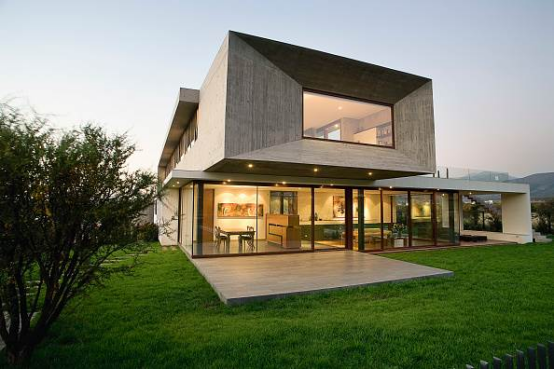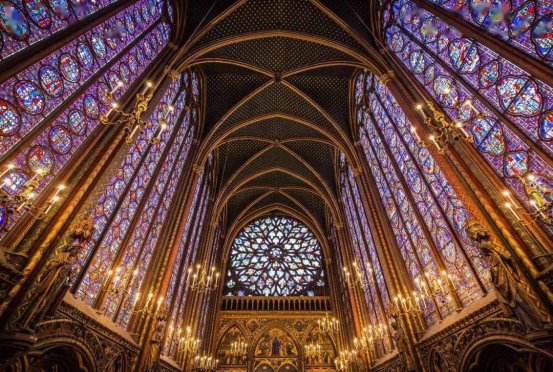
Glass is one of architecture’s most transformative elements. Far from being a simple transparent barrier, it is a dynamic medium that fundamentally shapes our perception of space, light, and environment. Its application spans a fascinating spectrum, from the intricate, color-saturated panels of stained glass that create an atmosphere of mystery and sanctity, to the vast, clear panes of transparent architecture that dissolve the very boundary between inside and out. This guide explores the dual nature of glass, examining its power to both contain and reveal, to color our world with artistic vision and to connect us directly with the world outside through minimalist clarity. We will investigate the historical significance, psychological impact, and technical execution of both these architectural philosophies.
The Enduring Allure of Stained Glass: A Legacy of Color and Mystery
Stained glass is not merely a window; it is a canvas for light itself. Its primary function is not to provide a clear view but to manipulate and transform daylight into a vibrant, emotional experience. This artistic medium adds a layer of profound mystery and atmosphere to a space, turning sunlight into a dynamic tapestry of color and shadow that shifts throughout the day. The effect is an environment that feels sacred, contemplative, and detached from the ordinary world.
Historical Roots and Gothic Grandeur
The tradition of stained glass is deeply intertwined with religious architecture, reaching its zenith during the Gothic period. In cathedrals like Chartres in France or Canterbury in England, stained glass windows served a dual purpose. Firstly, they were a practical solution to fill the large openings made possible by new structural systems like flying buttresses. Secondly, and more importantly, they were didactic tools, illustrating biblical narratives for a largely illiterate populace. The deep blues, rich reds, and brilliant golds were not just decorative; they were designed to evoke a sense of divine presence and heavenly wonder, transporting the worshipper to a spiritual realm.
The Psychology of Color and Controlled Light
The power of stained glass lies in its masterful control over light and color. Unlike a transparent window that allows unfiltered light, stained glass acts as a filter, selectively transmitting certain wavelengths of light while absorbing others. This process creates an interior ambiance that is entirely unique.
- Color Symbolism: Each color carries deep symbolic weight. Deep blues often represent divinity and truth, while vibrant reds can signify passion, love, or martyrdom. This color language adds layers of meaning to the visual story being told.
- Atmospheric Creation: The colored light dramatically alters the mood of a space. It can create a somber, reflective atmosphere or a joyous, celebratory one. This emotional manipulation is a key reason for its enduring use in spaces designed for contemplation and ceremony.
- Dynamic Experience: As the sun moves across the sky, the patterns and colors projected by the stained glass move and change within the interior. This creates a living, breathing work of art that is never static, constantly offering a new experience.
Modern Interpretations in Contemporary Spaces
While rooted in history, stained glass is not confined to the past. Contemporary architects and artists continue to explore its potential in modern contexts, both secular and religious. Modern applications often move away from figurative narratives towards abstract designs that focus purely on the interplay of color, texture, and light. These installations can be found in airports, libraries, and private homes, used as focal points that introduce color and artistic character into otherwise minimalist environments. The goal remains the same: to use colored light to add a dimension of mystery and emotional depth to a space.

The Rise of Transparent Architecture: Erasing Boundaries
In stark contrast to the light-filtering artistry of stained glass, transparent architecture champions the opposite philosophy: the complete dissolution of the barrier between interior and exterior. This architectural movement, which gained prominence in the 20th century with pioneers like Mies van der Rohe, uses glass not as a decorative filter but as an invisible envelope. The core objective is to create a sense of spatial continuity, where the inhabitants feel fully connected to their natural surroundings.
A Philosophical Shift: Openness and Connection
Transparent architecture is more than an aesthetic choice; it is a philosophical statement. It represents a desire for honesty in materials and a deeper connection with the environment. By using vast panes of glass, architects aim to blur the lines that traditionally separate a building from its context. This approach fosters a feeling of openness, freedom, and immersion in nature. Iconic examples like Philip Johnson’s Glass House or the Farnsworth House are designed as minimalist shelters that prioritize the view and the experience of the landscape over the structure itself.
The Interplay of Light, Shadow, and Spatial Perception
Where stained glass controls light, transparent architecture celebrates its unadulterated presence. The continuous influx of natural light and the unimpeded views have a profound effect on the perception of space.
- Natural Illumination: Spaces are flooded with daylight, reducing the need for artificial lighting and connecting the interior rhythms with the natural cycle of day and night.
- Dynamic Shadows: The movement of the sun creates a constantly shifting play of light and shadow within the building, making the architecture feel alive and responsive to its environment. The shadows of nearby trees, passing clouds, and the changing seasons become part of the interior decor.
- Expanded Space: The lack of opaque walls creates a powerful illusion of a larger space. The visual boundaries of a room extend outwards to the horizon, making even small structures feel expansive and boundless.
Key Materials and Structural Innovations
The dream of transparent architecture was only made possible by significant technological advancements in glass and steel manufacturing. The development of the curtain wall system was a major breakthrough. This non-structural cladding system allows the outer walls of a building to be made of lightweight materials like glass, as the structural load is carried by an internal steel or concrete frame. Further innovations, such as insulated and laminated glass, have improved the thermal performance and safety of these glass-heavy structures, making them more practical for a wider range of climates and applications.

A Comparative Look: Opaque Artistry vs. Transparent Minimalism
The two approaches to using glass in architecture—stained and transparent—represent opposite ends of a spectrum, each with distinct goals, methods, and emotional outcomes. Understanding their differences highlights the incredible versatility of glass as a design medium. One seeks to create an internally focused world of color and mystery, while the other aims to dissolve the internal world into the larger landscape.
Contrasting Goals: Controlling Light vs. Maximizing It
The most fundamental difference lies in their relationship with light. Stained glass is subtractive; it starts with the full spectrum of sunlight and subtracts parts of it to create a specific, colored, and often dimmer interior light. Its purpose is to craft a carefully curated atmosphere. In contrast, transparent architecture is additive; its goal is to bring as much of the outside light and environment into the building as possible. It celebrates light in its pure, unfiltered form, using it to illuminate, warm, and connect.
Emotional Impact: Enclosure and Mystery vs. Openness and Honesty
The resulting emotional experiences are profoundly different. Stained glass fosters a sense of enclosure, introspection, and reverence. The mystery of the colored light encourages one to look inward. Transparent architecture fosters a sense of openness, freedom, and connection to the external world. The lack of visual barriers promotes an outward-looking perspective and a feeling of being part of a larger whole. It is a statement of transparency and honesty, where nothing is hidden.

Integrating Glass Artistry in Modern Design
The modern architect does not have to choose exclusively between these two philosophies. In fact, some of the most compelling contemporary designs find ways to integrate the artistic qualities of treated glass within a largely transparent framework. This hybrid approach allows for a balance between openness and privacy, minimalism and artistic expression, creating spaces that are both connected to their environment and rich with internal character.
Using Stained or Art Glass as a Focal Point
In a minimalist, transparent home, a single, beautifully crafted art glass or stained glass window can serve as a powerful focal point. Placed strategically, it can catch the light at a certain time of day, casting color across a neutral-toned room without overwhelming the sense of openness. This technique honors both the desire for natural light and the human need for art, color, and a touch of mystery.
The Role of Smart Glass and Dynamic Transparency
Technology offers a new way to bridge the gap. Smart glass, or switchable glass, can change from transparent to opaque with the flick of a switch. This allows for dynamic control over privacy and light levels. A glass wall can be perfectly clear to enjoy a view, then become translucent or opaque for a meeting or to reduce solar gain. This technology provides the benefits of transparent architecture while offering a level of control and enclosure on demand, representing a true fusion of the two ideals.
Balancing Privacy, Aesthetics, and Energy Efficiency
The ultimate challenge in modern glass architecture is to strike a balance. Architects must consider how to provide sweeping views without sacrificing privacy, how to incorporate artistic elements without cluttering a minimalist design, and, crucially, how to build with vast amounts of glass while maintaining energy efficiency. Solutions include fritted glass (with a ceramic pattern baked on), low-emissivity (Low-E) coatings, and double- or triple-glazing to improve insulation and control solar heat gain, ensuring that glass buildings are as functional as they are beautiful.
Frequently Asked Questions (FAQ)
- Q1: What is the primary difference between traditional and modern uses of stained glass?
- Traditional stained glass, particularly from the Gothic era, was primarily narrative and religious, used to tell biblical stories through figurative imagery. Modern stained glass, or art glass, often leans towards abstract designs. The focus shifts from storytelling to exploring the pure qualities of color, texture, and the way light interacts with the glass to create an atmospheric or emotional effect in both secular and religious spaces.
- Q2: What are the main challenges of building with large-scale transparent glass?
- The primary challenges include structural support, thermal performance, and privacy. Large glass panels are heavy and require strong, yet often minimalist, support structures like steel frames. They can also lead to significant heat gain in summer and heat loss in winter, requiring advanced solutions like Low-E coatings and insulated glazing units (IGUs). Finally, ensuring privacy for occupants without resorting to curtains that obstruct the view is a key design consideration, often solved with strategic siting, landscaping, or smart glass.
- Q3: How does transparent architecture affect a building’s energy consumption?
- It can have both positive and negative effects. Positively, it maximizes natural daylight, reducing the need for artificial lighting, which is a significant energy user. Negatively, glass is a poorer insulator than a solid wall, potentially increasing heating and cooling costs. Modern energy-efficient glass technologies, such as double/triple glazing, argon gas fills, and spectrally selective coatings, are essential to mitigate these downsides and create high-performing transparent buildings.
- Q4: Can stained glass be used effectively in a minimalist home?
- Absolutely. In a minimalist setting, a piece of stained or art glass can act as a singular piece of “functional art.” Rather than filling every window, a single, well-placed abstract panel can serve as a dynamic focal point, introducing color and texture without compromising the clean lines and open feel of the space. It becomes a deliberate contrast that enhances the overall design.

Related Posts