The Allure of French Viticulture: Burgundy to Rolle Valley
France remains the undisputed epicenter of global viticulture, offering a tapestry of flavors, traditions, and landscapes that have been meticulously cultivated over centuries. The juxtaposition of the historic, meticulously classified plots of Burgundy and the sun-drenched, aromatic expanses of the Rolle Valley creates a comprehensive portrait of French winemaking. Understanding these regions requires more than a passing glance; it demands a deep dive into the very soil that nurtures the vines and the generational knowledge of the vignerons who tend them.
Decoding the Concept of Terroir
At the heart of every French vineyard experience is the concept of terroir. This untranslatable term encompasses the unique combination of soil composition, topography, climate, and human intervention that gives a wine its specific character. In Burgundy, terroir is expressed through the “Climats”—precisely demarcated plots of land, some as small as a backyard, that have been recognized for their distinct microclimates since the Middle Ages. The limestone and clay soils here force the roots of Pinot Noir and Chardonnay vines to dig deep, extracting minerals that impart an unmistakable elegance to the final vintage.
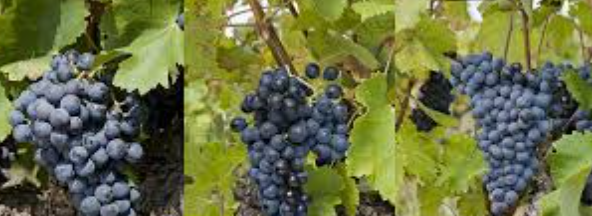
Conversely, the Rolle Valley presents a vastly different terroir. Characterized by Mediterranean influences, the soils here are often rockier, drier, and bathed in intense sunlight. The Rolle grape (widely known elsewhere as Vermentino) thrives in these challenging conditions, developing thick skins that protect its delicate internal aromatics. The resulting wines are a testament to survival and adaptation, offering crisp, floral, and citrus-forward profiles that perfectly encapsulate their coastal-adjacent origins.
Why Century-Old Vineyards Matter
Stepping into a century-old vineyard is akin to walking through a living museum. Older vines, often referred to as vieilles vignes, produce fewer grape clusters than their younger counterparts. However, this reduced yield is the secret to their exceptional quality. The energy of the plant is concentrated into a smaller number of grapes, resulting in highly concentrated flavors, profound depth, and remarkable structural complexity. For a novice, tasting wine from a century-old vineyard is an eye-opening experience that redefines what fermented grape juice can be, proving that true elegance in wine is a product of time, patience, and deep-rooted history.

Unveiling Burgundy: Century-Old Vineyards for Every Palate
Burgundy often carries a reputation for exclusivity and intimidation, largely due to its complex classification system and soaring bottle prices. However, a well-curated Burgundy wine tasting tour can be an incredibly welcoming and elegant experience, even for complete novices. The region is built on a foundation of small, family-owned domains where hospitality is as important as the harvest. By understanding the structural hierarchy of the region, beginners can navigate these century-old cellars with confidence and grace.
Demystifying the Classification System
To truly appreciate a Burgundy tasting, one must understand how the wines are categorized. Unlike Bordeaux, which classifies the estates themselves, Burgundy classifies the land. This philosophy underscores the belief that the earth is paramount. Before embarking on your tour, familiarize yourself with these foundational tiers to maximize your tasting comprehension.
- Regional Appellations (Bourgogne): Accounting for over half of all production, these wines are made from grapes grown anywhere within the Burgundy region. They serve as an excellent, approachable introduction to the crispness of a regional Chardonnay or the bright red fruit of a regional Pinot Noir.
- Village Appellations: These wines are produced from grapes grown within the boundaries of specific, named villages (such as Pommard or Meursault). They begin to show the distinct characteristics of their local terroir.
- Premier Cru (1er Cru): Representing about 10% of production, these are specific vineyard plots recognized for their superior quality. The label will feature the village name followed by the vineyard name.
- Grand Cru: The absolute pinnacle of Burgundy, accounting for barely 1% to 2% of total production. These legendary plots (like Romanée-Conti or Montrachet) produce wines of unparalleled complexity, longevity, and historical significance.
Understanding these classifications transforms a simple tasting into an educational journey. When a winemaker pours a Village wine followed by a Premier Cru from the same estate, novices can clearly taste the elevation in complexity, texture, and finish, making the abstract concept of terroir a tangible, sensory reality.

The Art of Elegant Tasting: A Step-by-Step Guide for Novices
Participating in a wine tasting at a prestigious French estate can feel daunting for beginners. The hushed cellars, the array of glassware, and the specialized vocabulary can create a barrier to enjoyment. However, elegant tasting is not about snobbery; it is a systematic approach to fully experiencing the wine. By mastering a few fundamental steps, novices can blend in seamlessly and extract the maximum pleasure from every pour.
The Four Pillars of Wine Evaluation
Professional sommeliers and casual enthusiasts alike rely on a standardized method to evaluate wine. This process engages multiple senses, allowing the taster to appreciate the wine’s visual appeal, aromatic complexity, and textural nuances. When visiting the historic cellars of Burgundy or the modern tasting rooms of the Rolle Valley, employ these steps to elevate your experience.
- Visual Inspection (See): Always hold the glass by the stem to prevent your body heat from warming the wine and to avoid smudging the bowl. Tilt the glass against a white background. Observe the color and clarity. An older Burgundy Pinot Noir will show garnet or brick-orange hues at the rim, while a youthful Rolle will exhibit pale straw colors with brilliant green reflections.
- Aeration (Swirl): Gently swirl the wine in the glass. This action introduces oxygen, which helps to release the volatile aromatic compounds. If you are a beginner, leave the glass on the table and draw small circles with the base to avoid spilling.
- Olfactory Analysis (Smell): Bring the glass to your nose and take a deep, deliberate sniff. Try to identify broad categories first—is it fruity, floral, earthy, or spicy? In Burgundy, look for red cherries and damp forest floor; in the Rolle Valley, seek out white peach, hawthorn, and sea spray.
- Palate Evaluation (Sip): Take a small sip and draw a little air over it in your mouth. Let the wine coat your tongue. Pay attention to the acidity (does it make your mouth water?), the tannins (does it dry out your gums?), and the body (does it feel like skim milk or heavy cream?). Finally, note the finish—how long does the flavor linger after you swallow or spit?
The Etiquette of the Tasting Room
Beyond the mechanics of tasting, adhering to proper etiquette ensures a respectful and enjoyable environment for everyone. It is perfectly acceptable, and often encouraged, to use the spittoon (crachoir) provided. Spitting allows you to taste numerous wines throughout the day without succumbing to palate fatigue or intoxication. Furthermore, refrain from wearing strong perfumes or colognes, as these can overpower the delicate aromas of the wine and disrupt the experience for both you and your fellow guests.

Exploring the Rolle Valley: An In-Depth Viticulture Adventure
While Burgundy offers a masterclass in historical prestige, the Rolle Valley provides a vibrant, sensory-rich exploration of a highly specific and captivating grape variety. An in-depth vineyard and winery experience here is characterized by a deep connection to the Mediterranean climate, innovative winemaking techniques, and an unpretentious atmosphere that invites profound curiosity.
The Unique Aromatic Profile of Rolle
The Rolle grape is a late-ripening white variety that requires ample sunshine and a long growing season. When cultivated in its ideal terroir, it produces wines of astonishing aromatic intensity. During a guided vineyard walk, visitors can observe the loose clusters and thick skins that protect the grapes from the intense summer heat. The resulting wines are celebrated for their vibrant acidity and a complex bouquet that often features notes of grapefruit, green apple, fresh almond, and a distinct, almost salty minerality that speaks to the nearby maritime influence.
Behind the Scenes: Cellar Tours and Winemaking Processes
An in-depth tour of a Rolle Valley estate goes far beyond the tasting room. Visitors are typically guided through the entire production facility, gaining firsthand insight into the meticulous journey from vine to bottle. You will witness the pneumatic presses that gently extract the juice without crushing the bitter seeds, and the temperature-controlled stainless steel vats where precise fermentation occurs.
Many estates are now experimenting with alternative aging vessels. It is common to see concrete eggs or large oak foudres alongside standard barrels. The concrete eggs, in particular, utilize natural convection currents to keep the fine lees (spent yeast cells) suspended in the wine, adding a luxurious, creamy texture to the crisp Rolle without imparting the vanilla and toast flavors associated with new oak. Understanding these technical decisions provides a profound appreciation for the winemaker’s craft.

The Winemaking Process: From Vine to Glass Decoding
To fully grasp the elegance of the wines you are tasting, an understanding of the chronological winemaking process is essential. Both Burgundy and the Rolle Valley adhere to strict, yet philosophically distinct, production methods. By dissecting these steps, novices can transition into knowledgeable enthusiasts, capable of identifying exactly how human intervention shapes the final product.
Harvesting and Sorting
The journey begins with the harvest (les vendanges). In highly regarded vineyards, especially century-old plots, harvesting is almost exclusively done by hand. This labor-intensive process ensures that only perfectly ripe, undamaged clusters are selected. Once transported to the winery, the grapes undergo a rigorous sorting process on a vibrating table, where trained workers remove any leaves, stems, or subpar berries. This obsessive attention to detail at the very beginning is crucial for producing elegant, fault-free wines.
Fermentation Dynamics
Fermentation is the magical juncture where agriculture becomes art. The processes differ significantly depending on the color and style of the wine being produced. Here is a comparative look at the typical fermentation strategies employed in our two focus regions.
| Winemaking Variable | Burgundy (Pinot Noir) | Rolle Valley (White Rolle) |
|---|---|---|
| Maceration | Extended skin contact (15-21 days) to extract color and soft tannins. | Minimal to zero skin contact; grapes are pressed immediately to preserve freshness. |
| Fermentation Vessel | Open-top wooden vats or stainless steel, allowing for punch-downs (pigeage). | Temperature-controlled stainless steel or concrete eggs to retain delicate floral aromas. |
| Temperature | Warmer fermentation (up to 30°C) to maximize extraction. | Cool fermentation (12-16°C) to prevent the loss of volatile aromatic compounds. |
| Malolactic Fermentation | Almost always encouraged to soften the malic acid into creamy lactic acid. | Often blocked to maintain the crisp, mouth-watering acidity characteristic of the grape. |
Following fermentation, the aging process (élevage) begins. In Burgundy, the wines are typically transferred to French oak barrels (pièces) and aged in subterranean, naturally humid cellars. The porous nature of the wood allows for micro-oxygenation, which softens the tannins and integrates the flavors over 12 to 18 months. In contrast, Rolle wines are often bottled much earlier, sometimes within six months of the harvest, to capture their youthful exuberance and vibrant primary fruit flavors.

Curating the Perfect Wine Tour Itinerary
Planning a trip to the French wine country requires strategic foresight. The sheer density of vineyards, coupled with the varied operating hours of different estates, means that a spontaneous approach often leads to missed opportunities. To experience both the elegant, novice-friendly estates of Burgundy and the immersive depths of the Rolle Valley, a meticulously crafted itinerary is indispensable.
Choosing the Right Season
Timing your visit can drastically alter your experience. The harvest season, typically occurring in September or early October, is undeniably the most exciting time to visit. The vineyards are alive with activity, the air smells of fermenting juice, and the energy is palpable. However, winemakers are exceptionally busy during this period, and many smaller estates may close their tasting rooms to focus on production.
For a more relaxed, educational experience where you can spend quality time conversing with the producers, the shoulder seasons of late spring (May and June) and early autumn (late October and November) are ideal. The weather is generally pleasant, the landscapes are stunning—either bursting with fresh green shoots or cloaked in golden autumn foliage—and the tasting rooms operate at a more leisurely pace.
Private vs. Group Tours
When booking your vineyard visits, you will face the choice between joining a larger group tour or hiring a private guide. For complete novices, a small group tour can be highly beneficial. It provides a structured introduction, eliminates the stress of driving, and allows you to learn from the questions asked by fellow travelers. However, for those seeking a truly elegant and customized experience, a private tour is unparalleled. Private guides often have exclusive relationships with prestigious, appointment-only domains in Burgundy that are inaccessible to the general public. They can tailor the itinerary to your specific palate preferences and ensure you spend adequate time at century-old vineyards that align with your interests.

Advanced Gastronomy: Regional Food and Wine Pairings
In France, wine is rarely consumed in isolation; it is viewed as an integral component of the culinary experience. A wine tour is incomplete without exploring the local gastronomy that has evolved alongside the regional viticulture. The interplay between the food and the wine elevates both elements, creating a sensory synergy that defines the French art de vivre.
Classic Burgundian Pairings
Burgundy is famous for its rich, hearty cuisine, which provides the perfect canvas for its complex wines. The region’s signature dish, Boeuf Bourguignon, is a masterclass in pairing. The slow-braised beef, mushrooms, and pearl onions, cooked in red wine, demand a wine with sufficient acidity to cut through the richness and earthy undertones to complement the mushrooms. A mature Village or Premier Cru Pinot Noir is the quintessential match. For white wine lovers, the buttery, hazelnut notes of an aged Meursault (Chardonnay) pair miraculously with Escargots de Bourgogne, traditionally prepared with copious amounts of garlic, parsley, and butter.
Mediterranean Synergies in the Rolle Valley
The culinary landscape shifts dramatically when exploring the regions that champion the Rolle grape. The cuisine here is heavily influenced by the Mediterranean Sea, featuring fresh seafood, olive oil, garlic, and aromatic herbs (Herbes de Provence). The high acidity and citrus notes of a crisp Rolle make it a phenomenal partner for grilled sea bass drizzled with lemon and olive oil. Additionally, the wine’s subtle floral and herbal aromatics beautifully echo the flavors found in a classic Salade Niçoise or a savory tapenade spread over crusty baguette. The rule of thumb here is simple: what grows together, goes together.

Preserving Heritage: Sustainable Practices in French Wineries
As you delve deeper into these historic wine regions, you will quickly realize that the conversation has shifted heavily toward sustainability. Winemakers who manage century-old vineyards view themselves not merely as producers, but as custodians of the land. Ensuring that these precious terroirs remain viable for the next hundred years requires a commitment to environmentally conscious viticulture.
The Rise of Organic and Biodynamic Farming
Many of the most prestigious estates in Burgundy and the most innovative producers in the Rolle Valley have completely abandoned synthetic pesticides and herbicides. Organic farming relies on natural treatments, such as copper and sulfur, to combat vine diseases. This approach fosters a living, breathing soil ecosystem, teeming with beneficial microbes and earthworms, which in turn allows the vine roots to absorb a wider array of minerals, ultimately enhancing the terroir expression in the wine.
Taking it a step further, biodynamic farming treats the entire vineyard as a self-sustaining, interconnected organism. Practitioners utilize specialized compost preparations, often burying cow horns filled with manure to naturally vitalize the soil, and align their planting, pruning, and harvesting schedules with the lunar calendar. While it may sound esoteric to a novice, the results speak for themselves. Estates employing these methods frequently produce wines with unparalleled vibrancy, energy, and purity of fruit, proving that elegant winemaking and ecological responsibility go hand in hand.

Essential Terminology for Your Vineyard Visit
To fully immerse yourself in the elegant world of French wine tasting, familiarizing yourself with the local lexicon is highly advantageous. While most tour guides and tasting room hosts speak excellent English, using a few key French terms demonstrates respect for their craft and enhances your overall experience. Below is a curated glossary of essential terms you will encounter during your deep-dive vineyard and winery tours.
- Vigneron: More than just a grape grower or winemaker, a vigneron is intimately involved in every step of the process, from tending the vines in the winter to bottling the finished wine.
- Cépage: The

Related Posts