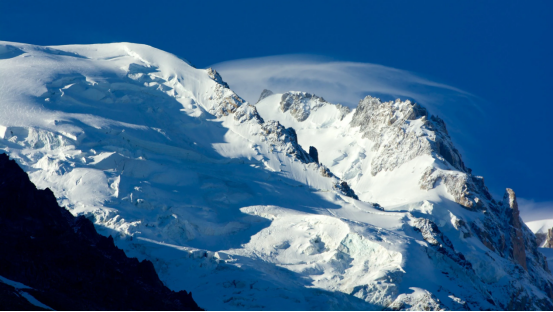
Chamonix-Mont-Blanc stands as a titan in the world of outdoor adventure. Nestled at the base of Mont Blanc, the highest peak in Western Europe, this valley has evolved from a quiet mountain village into a high-octane playground for mountaineers, skiers, and adrenaline seekers. To truly conquer Chamonix, one must understand that this is not a managed theme park; it is a raw, unforgiving environment that rewards meticulous preparation and deep respect for the elements.
The Historical Legacy of Chamonix: The Cradle of Alpinism
The pursuit of extreme experiences in Chamonix dates back to 1786, when Jacques Balmat and Michel-Gabriel Paccard first summited Mont Blanc. This event is widely considered the birth of modern mountaineering. Understanding this history is vital for any modern adventurer, as the routes used today often follow the footsteps of pioneers who lacked modern technology.
The Evolution of Alpine Culture
Over the centuries, Chamonix has transitioned from a destination for scientific exploration to a hub for professional athletes. The establishment of the Compagnie des Guides de Chamonix in 1821 created a professional standard for mountain safety that remains the gold standard globally. Today, the “Chamonix Spirit” represents a blend of high-risk tolerance and technical mastery.

Legendary Routes and High-Altitude Challenges
Conquering the Alps requires navigating specific legendary routes that test different skill sets. Whether you are on skis, in crampons, or under a paragliding wing, the terrain demands total focus.
The Vallée Blanche: The World’s Most Famous Off-Piste Run
Starting at the Aiguille du Midi (3,842m), the Vallée Blanche offers a 20km descent with a vertical drop of 2,700m. While accessible to advanced intermediate skiers, the presence of hidden crevasses and the potential for rapid weather changes make it a truly extreme experience. It is not just about the skiing; it is about glacier navigation and endurance.
The Goûter Route: The Classic Path to the Summit
For those aiming for the summit of Mont Blanc, the Goûter Route is the most popular but remains physically grueling. It involves crossing the notorious “Grand Couloir,” a section prone to rockfall, and staying at the high-altitude Goûter Hut before the final push to the 4,810m summit.

Technical Gear and Seasonal Strategic Planning
Success in Chamonix is heavily dependent on the quality and appropriateness of your gear. The “light and fast” philosophy is popular here, but it must never compromise safety.
| Activity | Essential Technical Gear | Best Season |
|---|---|---|
| Mountaineering | Crampons, Ice Axe, Harness, 60m Rope | June – September |
| Off-Piste Skiing | Avalanche Transceiver, Probe, Shovel, Airbag | January – April |
| Ice Climbing | Technical Axes, Ice Screws, B3 Boots | December – February |
| Trail Running | Hydration Vest, Poles, High-Grip Shoes | July – August |
The Importance of Layering
In the Alps, temperatures can drop 10 degrees Celsius for every 1,000 meters of ascent. A three-layer system—moisture-wicking base, insulating mid-layer, and waterproof shell—is mandatory. Synthetic or wool materials are preferred over cotton, which loses its insulating properties when wet.

Expert Safety Protocols and Risk Management
The “extreme” nature of Chamonix comes from its inherent risks: avalanches, rockfalls, and sudden storms. Managing these risks is what separates professionals from amateurs.
Expert Advice: The 3-Point Safety Check
- Weather Window: Never rely on a single forecast. Check Meteo France and the Chamonix High Mountain Office (OHM) daily.
- Acclimatization: Spend at least 2-3 days at mid-altitudes (2,000m-3,000m) before attempting the summit to prevent Acute Mountain Sickness (AMS).
- Local Knowledge: Even expert climbers hire a guide for their first Chamonix expedition to learn the specific nuances of the local granite and glacier flow.

Frequently Asked Questions (FAQ)
- Do I really need a guide for the Vallée Blanche?
- While there is no legal requirement, it is highly recommended. The route is entirely on unpatrolled glacier terrain where crevasses are a constant, invisible threat. A guide ensures you have the necessary rope skills for rescue if needed.
- How fit do I need to be to climb Mont Blanc?
- You should be in peak physical condition, capable of 8-12 hours of sustained uphill movement with a 10kg pack. Cardiovascular endurance is more important than raw strength.
- What is the “Grand Couloir” and why is it dangerous?
- The Grand Couloir is a gully on the Goûter Route famous for frequent rockfalls. It must be crossed quickly and usually early in the morning when the ice holding the rocks is still frozen.
- Can I experience extreme sports in Chamonix during the summer?
- Absolutely. Summer is the peak season for rock climbing, paragliding, and ultra-trail running. The lifts remain open to provide access to high-altitude trailheads.
- What is the best way to monitor avalanche risk?
- Check the daily Bulletin d’Estimation du Risque d’Avalanche (BERA). It uses a scale of 1 to 5; most accidents occur during level 3 (Considerable), where the snowpack looks stable but is actually highly sensitive to triggers.
Related Posts