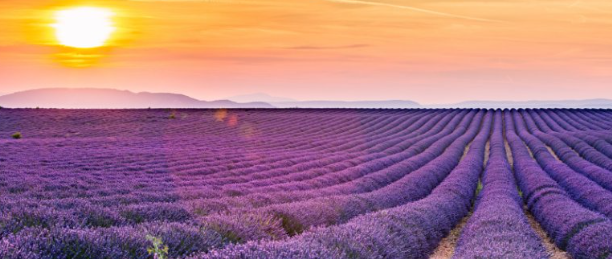
France is a country that effortlessly captivates the imagination, offering a tapestry of landscapes that seem plucked from a painter’s canvas. From the fragrant, rolling hills of Provence awash in purple to the idyllic, water lily-covered ponds that inspired an art movement, and the glamorous, sun-drenched shores of the Mediterranean, France presents a journey for the senses. This comprehensive guide delves into three of the nation’s most iconic and visually stunning destinations: the lavender fields of Provence, Claude Monet’s enchanting garden in Giverny, and the legendary Baie des Anges in Nice. Prepare to explore the practical details and profound beauty that make these locations unforgettable.
The Lavender Fields of Provence: A Purple Dreamscape
The image of endless, undulating fields of lavender under a warm summer sun is synonymous with Provence. This region in southeastern France transforms into a sea of purple and a haven of intoxicating fragrance each year, drawing visitors from across the globe. Understanding the nuances of the season and the specific locales is key to experiencing this natural wonder at its peak. The beauty is not just in the color, but in the atmosphere—the buzzing of bees, the rustic stone farmhouses, and the charming hilltop villages that dot the landscape.
Understanding the Lavender Season: When to Go
Timing is everything when planning a trip to see the lavender. The flowering season is relatively short and varies slightly based on altitude, rainfall, and the specific lavender variety. Generally, the best viewing window is from the last week of June to the end of July. By August, most fields will have been harvested.
- Early Season (Mid-to-Late June): The lavender begins to bloom, offering vibrant color, especially in the lower-altitude areas like the Valensole Plateau. This is often a less crowded time to visit.
- Peak Season (Early-to-Mid July): This is when the lavender is typically at its most magnificent and fragrant. The fields are a deep, rich purple, and local festivals, like the one in Valensole, often take place. This is also the busiest period for tourism.
- Late Season (Late July to Early August): Harvesting begins. While some fields may still be in bloom, particularly at higher altitudes like Sault, many will be gone. The Sault lavender festival in mid-August marks the traditional end of the season.
Top Regions for Lavender Viewing
While lavender can be found throughout Provence, certain areas offer the most spectacular and iconic vistas. Each has its own unique character and charm.
- The Valensole Plateau (Plateau de Valensole): This is arguably the most famous and photographed lavender region. It’s known for its vast, seemingly infinite fields that stretch to the horizon, often interspersed with golden wheat fields and solitary trees. Key towns to visit are Valensole and Puimoisson. The D6 and D8 roads offer some of the most breathtaking drives.
- The Luberon Valley (Le Pays de Luberon): This area offers a different kind of beauty, with lavender fields set against the backdrop of picturesque hilltop villages like Gordes and Roussillon. The most famous photo spot is near the Sénanque Abbey, where Cistercian monks cultivate the lavender.
- The Sault Plateau (Le Pays de Sault): Located at a higher altitude, the lavender here blooms slightly later, making it a good option for late-July visitors. Sault is considered the “capital of lavender,” and the landscape is a patchwork of fields, forests, and small farms. The “Lavender Road” is a well-marked tourist route perfect for exploration.

Monet’s Garden in Giverny: Stepping into a Painting
Just a short journey from Paris lies a place where art and nature are inextricably linked: Claude Monet’s house and gardens in Giverny. For over four decades, this was Monet’s home, his muse, and his greatest masterpiece. He meticulously designed the gardens, cultivating a living canvas that he would then translate into his iconic Impressionist paintings. Visiting Giverny is not just a garden tour; it is a chance to step inside the world that inspired works like the famous Water Lilies series.
The Two Worlds of Monet’s Creation: Clos Normand & The Water Garden
The garden is composed of two distinct but complementary parts, each offering a unique experience. Monet transformed a simple farmhouse orchard into a symphony of color and light.
- The Clos Normand: Located in front of the house, this walled garden is a riot of color, texture, and height. Monet removed the original box hedges and planted flowers based on their color palettes, allowing them to grow with a sense of freedom. Flowerbeds are filled with tulips, irises, oriental poppies, and peonies, creating a vibrant and somewhat wild aesthetic that changes dramatically with the seasons.
- The Water Garden: Across the road, Monet created his famous Japanese-inspired water garden. By diverting a small stream, he built the pond that would become the subject of his most famous works. It is here you will find the iconic Japanese bridge draped in wisteria, and the pond’s surface covered with the famous water lilies (Nymphéas). Weeping willows, bamboo, and other lush greenery create a tranquil, reflective, and almost magical atmosphere.
Practical Guide to Visiting Monet’s Masterpiece
To make the most of your visit, careful planning is recommended as Giverny is an extremely popular destination. The gardens are open from April 1st to November 1st. It’s highly advisable to book tickets online in advance to avoid the long queues at the entrance. The best times to visit are early in the morning right at opening or late in the afternoon to avoid the peak crowds and enjoy the softer light. Giverny is easily accessible from Paris via a train from Gare Saint-Lazare to Vernon, followed by a short shuttle bus or taxi ride to the gardens.

Nice and the Azure Baie des Anges: Riviera Glamour
Shifting from the rustic charm of Provence to the sun-soaked glamour of the French Riviera, Nice offers a completely different yet equally captivating French experience. The city’s heart and soul is its stunning coastline, centered around the Baie des Anges (Bay of Angels). This wide, curving bay is famous for its unique pebble beaches, or galets, and the brilliant, almost unreal turquoise and azure hues of the Mediterranean Sea. It’s a place to see and be seen, to relax, and to soak in the vibrant coastal energy.
The Iconic Promenade des Anglais and its Pebble Beach
The legendary Promenade des Anglais is a 7-kilometer palm-lined avenue that sweeps along the entire bay. It’s a hub of activity day and night, bustling with cyclists, skaters, joggers, and people simply strolling and enjoying the magnificent sea views. The beach itself is not sand but is composed of large, smooth grey pebbles, a distinctive feature of the Nice coastline. While perhaps not as comfortable for lying on as sand, the pebbles contribute to the incredible clarity and color of the water. Renting one of the iconic blue and white striped lounge chairs (chaise bleue) is a classic Nice experience, offering a comfortable way to sunbathe and people-watch.
Experiencing the Mediterranean Vibe
The allure of the Baie des Anges goes beyond just the beach. The atmosphere is one of relaxed sophistication. The light here is famously beautiful, attracting artists for centuries, including Henri Matisse and Marc Chagall, both of whom have dedicated museums in the city. To get the best panoramic view of the entire bay, make the climb up to Castle Hill (Colline du Château). From this vantage point, you can truly appreciate the grand curve of the bay and the contrast between the red-tiled roofs of the old town and the deep blue of the sea.

Maximizing Your Trip to France’s Iconic Sights
Connecting these distinct destinations into a cohesive itinerary can create the ultimate French travel experience. While geographically separate, they can be linked with some planning, offering a journey that encompasses rustic countryside, artistic heritage, and coastal splendor. A well-thought-out plan for transportation and accommodation will ensure you spend less time in transit and more time absorbing the beauty around you.
Best Transportation Methods
Effectively navigating between these regions is key to a successful trip. France’s excellent infrastructure provides several options.
- Rental Car: This is the highly recommended option for exploring Provence. A car gives you the freedom and flexibility to discover hidden lavender fields, stop at roadside stalls, and explore small villages at your own pace.
- Train (TGV): France’s high-speed train network is perfect for covering long distances quickly. You can take a TGV from Paris to Avignon or Aix-en-Provence to begin your Provence exploration, or directly to Nice to reach the Riviera. The journey from Paris to Giverny is also best started by train.
- Combining Methods: A popular strategy is to take the TGV for the long-haul journey (e.g., Paris to Avignon) and then rent a car locally to explore the Provence region in depth.
Photography Tips for Capturing the Beauty
These locations are a photographer’s dream. To capture their essence, consider a few key tips. For the lavender fields, the “golden hours” of early morning and late afternoon provide the softest light and bring out the richest purple tones. In Giverny, focus on the reflections in the water garden and the interplay of light and shadow. In Nice, use a polarizing filter to cut through the glare on the water and deepen the incredible blue of the sea. For all locations, look for unique compositions that go beyond the classic postcard shot, such as focusing on the details of a single flower or the texture of the pebbles on the beach.
Frequently Asked Questions (FAQ)
- What is the absolute best week to see the lavender in Provence?
- While it varies year to year, the first two weeks of July are generally considered the absolute peak for the most famous region, the Valensole Plateau. The lavender is in full, vibrant bloom, and the sunflower fields are often out as well, creating a stunning contrast of purple and yellow.
- Is it necessary to book tickets for Monet’s Garden in advance?
- Yes, it is highly recommended. Giverny is an incredibly popular tourist destination, and the ticket line on-site can be extremely long, especially during peak season. Booking your ticket online for a specific time slot allows you to bypass the main queue and guarantees your entry.
- Is the pebble beach in Nice comfortable for swimming?
- The pebble beach can be challenging for some. The stones can be difficult to walk on barefoot, so wearing water shoes or sandals is a good idea. However, the pebbles ensure the water is exceptionally clear, and once you are in the water, swimming is wonderful. The drop-off can be quite steep in some areas, so be mindful when entering the sea.
- Can I visit all three locations in one week?
- Technically, yes, but it would be very rushed. A more comfortable and enjoyable trip would dedicate at least 10 to 14 days. This would allow you 3-4 days in Provence to explore the lavender routes and villages, 1 day for Giverny as a day trip from Paris, and 3-4 days to relax and explore Nice and the surrounding Côte d’Azur.

Related Posts