The Strategic Turning Point: The Battle of Leipzig
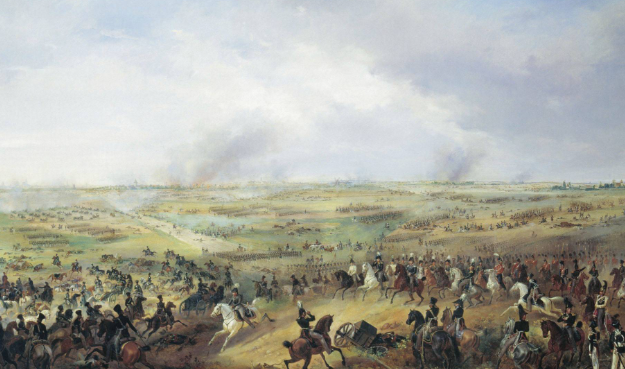
The Battle of Leipzig, often referred to as the Battle of the Nations, marked the definitive shift of Napoleon Bonaparte’s military fortunes from offensive dominance to a desperate defensive struggle. Fought in October 1813, this engagement saw the Sixth Coalition—comprising Russian, Prussian, Austrian, and Swedish forces—converge upon the French army with superior numbers and coordinated logistics.
The Erosion of French Hegemony
Napoleon’s failure at Leipzig was not merely a tactical defeat but a consequence of systemic overextension. The French military machine, once characterized by rapid maneuverability and decisive strikes, found itself bogged down by the sheer volume of coalition forces.
- Logistical Strain: Napoleon’s inability to maintain supply lines across German territories weakened his core infantry.
- Coalition Integration: Unlike previous conflicts where Napoleon could defeat enemies piecemeal, the Allies established a unified command structure.
The Tactical Dilemma of Defensive Warfare
At Leipzig, Napoleon was forced into a defensive posture, a role that contradicted his doctrine of offensive warfare. The reliance on holding central positions against converging threats led to the eventual encirclement of his forces, forcing a retreat across the Elster River.
The Collapse of the French Empire
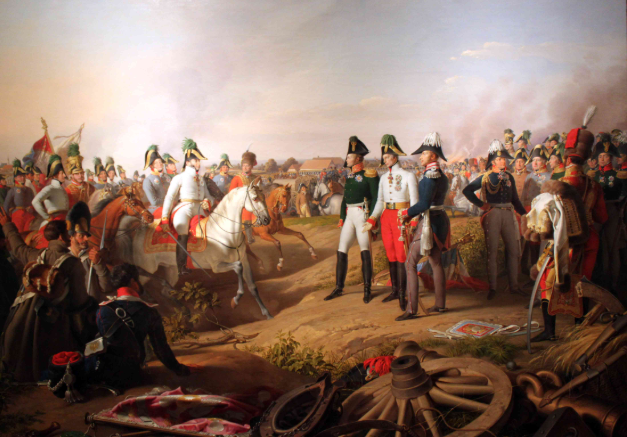
Following the retreat from Leipzig, the structural integrity of the French Empire began to disintegrate. The loss of German client states deprived Napoleon of critical manpower and resource bases, effectively shifting the theater of war to French soil.
Internal Political Instability
The military setbacks triggered a domino effect across Europe. As Napoleon’s influence waned, internal dissent within France grew, and his remaining allies began to defect, sensing the inevitable collapse of the Continental System.
| Factor | Impact on Napoleon |
|---|---|
| Loss of German Allies | Severe reduction in cavalry and infantry reserves. |
| Coalition Unity | Eliminated the possibility of separate peace treaties. |
| Economic Blockade | Stifled French industrial capacity for war production. |
The Waterloo Campaign: The Final Stand
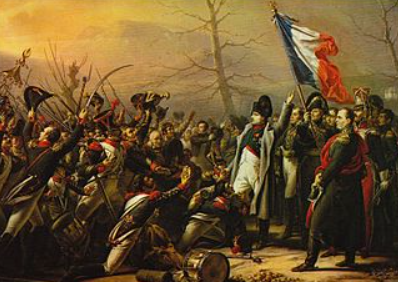
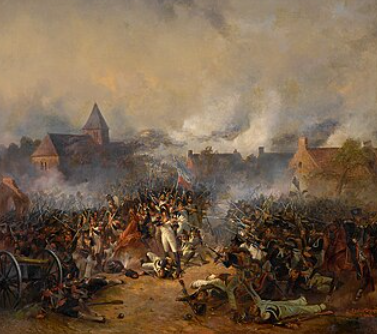
The Battle of Waterloo in June 1815 represents the final chapter of the Napoleonic Wars. After his return from exile in Elba, Napoleon sought to break the Seventh Coalition before they could fully mobilize their combined strength.
The Convergence of Wellington and Blücher
The genius of the Coalition strategy at Waterloo lay in the synergy between the Duke of Wellington’s defensive line and Gebhard Leberecht von Blücher’s Prussian arrival. Napoleon’s tactical gamble to split the allied forces failed when the Prussian army successfully reinforced the British-led coalition.
- Terrain Utilization: Wellington utilized the Mont-Saint-Jean ridge to negate the effectiveness of French artillery.
- The Prussian Arrival: The timely intervention of Prussian forces on the French flank sealed the fate of the Imperial Guard.
Geopolitical Consequences for Europe
The defeat at Waterloo did more than end Napoleon’s rule; it ushered in the Congress of Vienna era, which aimed to restore the balance of power across the continent. The absolute destruction of French expansionist ambitions allowed for a period of relative peace, albeit one built on conservative monarchical restoration.
The End of the Continental System
With Napoleon removed from power, the restrictive trade policies of the Continental System were dismantled, allowing for the re-integration of European markets. The focus shifted from constant revolutionary warfare to the maintenance of a stable, multi-polar political landscape.
Frequently Asked Questions (FAQ)
- Q1: Why was the Battle of Leipzig considered the “Battle of the Nations”?
- It was called this due to the unprecedented scale of the conflict, involving hundreds of thousands of soldiers from Russia, Prussia, Austria, Sweden, and France, representing a truly pan-European war.
- Q2: Did Napoleon have a chance to win at Waterloo?
- While early tactical maneuvers were successful, Napoleon’s failure to prevent the junction of Wellington and Blücher made his position untenable against the combined numerical superiority of the Seventh Coalition.
- Q3: How did the loss of Germany affect Napoleon’s military capabilities?
- The loss of German territories meant the loss of vital manpower, horses for the cavalry, and a strategic buffer zone that had previously allowed Napoleon to dictate the pace of his campaigns.
- Q4: What was the primary goal of the Seventh Coalition?
- The primary goal was the total removal of Napoleon Bonaparte from power and the restoration of the Bourbon monarchy, ensuring that the French Empire could never again threaten the European balance of power.

Related Posts