The Evolution of Architectural Materials
The architectural landscape has always been defined by the materials available to builders and designers. Historically, architecture relied entirely on locally sourced, natural materials such as timber, stone, and clay. These elements required profound manual craftsmanship and an intimate understanding of environmental conditions.
As we transitioned into the industrial and post-industrial eras, the focus shifted toward mass production, uniformity, and structural maximization. The introduction of steel, reinforced concrete, and advanced glass composites fundamentally altered the skyline of modern cities.
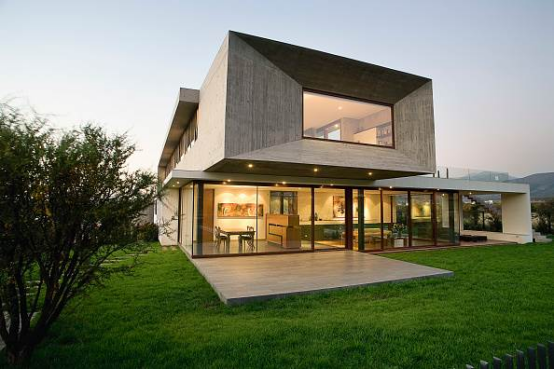
However, the contemporary design philosophy is experiencing a renaissance. Architects are no longer choosing between the old and the new. Instead, they are orchestrating a sophisticated dialogue between traditional craftsmanship and modern technology, resulting in structures that are emotionally resonant, environmentally sustainable, and structurally superior.
Understanding the Historical Context
Before the advent of globalized supply chains, architectural identity was inextricably linked to regional geology and botany. Craftsmanship was not merely an aesthetic choice; it was a structural necessity. Artisans developed hyper-localized techniques to ensure buildings could withstand specific weather patterns and seismic activities.

Core Characteristics of Traditional Craftsmanship
Traditional materials bring an irreplaceable warmth and human element to the built environment. Elements like hand-carved wood, fired brick, and chiseled stone carry the literal fingerprints of their makers, embedding a sense of history and cultural continuity into the very walls of a structure.
One of the most compelling reasons for the resurgence of traditional craftsmanship is its inherent sustainability. Natural materials often require significantly less embodied energy to produce compared to synthetic alternatives. Furthermore, they age gracefully, developing a patina that enhances rather than degrades the aesthetic value over time.
The Emotional Resonance of Natural Textures
Humans possess an innate biological connection to nature, a concept known as biophilia. Integrating traditional, natural materials into modern spaces triggers positive psychological responses. The tactile irregularity of a hand-woven textile or the visual warmth of exposed timber grain provides a grounding counterpoint to the sleek, sterile surfaces often found in contemporary architecture.

The Role of Modern Technology in Architecture
While traditional materials provide warmth and ecological benefits, modern technology delivers unprecedented precision, scale, and performance. The development of advanced composites, smart materials, and digital fabrication techniques has pushed the boundaries of what is physically possible in structural design.
Modern materials such as ultra-high-performance concrete (UHPC), carbon fiber reinforced polymers, and dynamic glazing systems offer extreme durability and energy efficiency. These technologies allow architects to design lighter, taller, and more resilient structures that can adapt to changing environmental conditions.
Digital Fabrication and Algorithmic Design
The true revolution lies not just in the materials themselves, but in how they are manipulated. Computer Numerical Control (CNC) machining, robotic assembly, and large-scale 3D printing have bridged the gap between digital design and physical reality. These tools enable the mass customization of complex geometries that would be impossible or prohibitively expensive to achieve through manual craftsmanship alone.

Synergizing Craftsmanship with Modern Innovation
The most groundbreaking contemporary architecture occurs at the intersection of these two paradigms. By combining the soul of traditional craftsmanship with the capabilities of modern technology, designers can achieve unprecedented results. This synthesis is not about replacing the artisan with the machine, but rather empowering the artisan with new tools.
For example, a modern building might utilize a highly advanced, digitally fabricated steel exoskeleton, yet feature an interior clad in hand-finished, locally sourced timber. This approach ensures structural integrity while maintaining a profound connection to the local cultural heritage.
Case Studies in Material Fusion
Consider the use of CNC-milled timber joints. Traditional Japanese joinery, renowned for its complex, fastener-free connections, requires decades of mastery. Today, 5-axis CNC routers can precision-cut these intricate joints at scale, allowing sustainable mass-timber buildings to be constructed rapidly while honoring ancient structural principles.
Expert Advice: Best Practices for Material Integration
Successfully blending traditional and modern materials requires a strategic approach. It is easy to create a disjointed aesthetic if the materials are not thoughtfully integrated. Here are core principles for architects and designers looking to master this synthesis.
- Respect the Material Properties: Never force a traditional material to perform a function suited for a modern composite, and vice versa.
- Create Visual Hierarchies: Allow one material to act as the primary structural element while the other serves as the aesthetic or tactile focal point.
- Focus on Transitions: The point where glass meets stone, or where steel meets wood, is where the success of the design is judged. Detail these junctions meticulously.
- Consider Lifecycle and Maintenance: Modern synthetics and natural materials weather at different rates. Plan for how the building will age over decades.
Material Comparison: Traditional vs. Modern
To better understand how to deploy these elements effectively, it is crucial to analyze their contrasting attributes. The following table breaks down the core differences and complementary strengths of traditional and modern architectural materials.
| Attribute | Traditional Craftsmanship | Modern Technology |
|---|---|---|
| Production Method | Manual, artisanal, localized | Industrial, automated, globalized |
| Aesthetic Quality | Organic, unique, patinated | Uniform, precise, sleek |
| Structural Capability | Limited by natural properties | Engineered for extreme performance |
| Environmental Impact | Low embodied energy, biodegradable | High initial energy, highly recyclable |
| Scalability | Low scalability, time-intensive | High scalability, rapid deployment |
Frequently Asked Questions (FAQ)
- Why is combining traditional and modern materials important in architecture?
- Combining these materials allows architects to leverage the high-performance structural benefits of modern engineering while retaining the emotional warmth, cultural relevance, and ecological benefits of traditional craftsmanship.
- Can traditional materials be used in modern skyscrapers?
- Yes. Through innovations like Cross-Laminated Timber (CLT) and modern protective treatments, traditional materials like wood are now being used safely and sustainably in high-rise constructions, often supported by steel or concrete cores.
- How does technology enhance traditional craftsmanship?
- Technology such as 3D scanning, parametric design software, and CNC machining allows artisans to scale their work, achieve greater precision, and apply traditional patterns and techniques to modern materials like engineered facades.
- Are traditional materials always more sustainable than modern ones?
- Not necessarily. While traditional materials generally have lower embodied energy, modern materials can offer superior insulation and longevity, reducing the building’s operational carbon footprint over its lifetime. The most sustainable approach often involves a hybrid strategy.

Related Posts