The world is a vast canvas painted with incredible wonders, both natural and man-made, that captivate the imagination and stand as testaments to history, culture, and geological forces. These iconic landmarks are more than just tourist attractions; they are living museums, spiritual sanctuaries, and breathtaking landscapes that tell stories of civilizations, artistic genius, and the raw power of nature. From the ancient echoes within sacred cathedrals to the dizzying heights of modern engineering, each destination offers a unique window into our shared global heritage. Understanding their significance, architectural nuances, and the best ways to experience them transforms a simple trip into a profound journey of discovery.
This comprehensive pillar page serves as your ultimate guide to some of the planet’s most revered sites. We delve into their historical contexts, explore their distinctive features, and provide practical advice for visitors, ensuring you gain a deep appreciation before you even set foot on their hallowed grounds. Prepare to be inspired by the grandeur and intricate details that make these locations truly unforgettable, forming the backbone of any discerning traveler’s itinerary.
St. Patrick’s Cathedral: A Beacon of Dublin’s History
Nestled in the heart of Dublin, Ireland, St. Patrick’s Cathedral stands as a magnificent testament to centuries of Irish history, faith, and architectural evolution. Founded in 1191, it is the National Cathedral of the Church of Ireland and holds the distinction of being the largest church in the country. Its imposing Gothic structure, soaring spires, and intricate stained-glass windows draw millions of visitors annually, each seeking to connect with a past deeply interwoven with Ireland’s narrative.
Historical Roots and Significance
The site of St. Patrick’s Cathedral is steeped in legend, believed to be where St. Patrick himself baptized converts in a nearby well during the 5th century. Over the centuries, the cathedral has witnessed pivotal moments in Irish history, from medieval religious life to periods of political turmoil and cultural revival. It served as a university for a time and was instrumental in the establishment of the Order of St. Patrick. Its most famous Dean, Jonathan Swift, author of “Gulliver’s Travels,” served from 1713 to 1745, and his tomb, along with those of other notable figures, rests within its walls, adding layers of literary and historical weight to the sacred space.
The cathedral’s role extended beyond religious services; it often functioned as a public forum and a place of refuge. During the 17th century, it was used as a stable by Cromwell’s forces, a stark reminder of the turbulent times it endured. Despite numerous renovations and restorations, particularly during the Victorian era under the patronage of Benjamin Guinness, the cathedral has retained its original medieval charm and continues to be a vibrant center of worship and national identity.
Architectural Grandeur and Interior Highlights
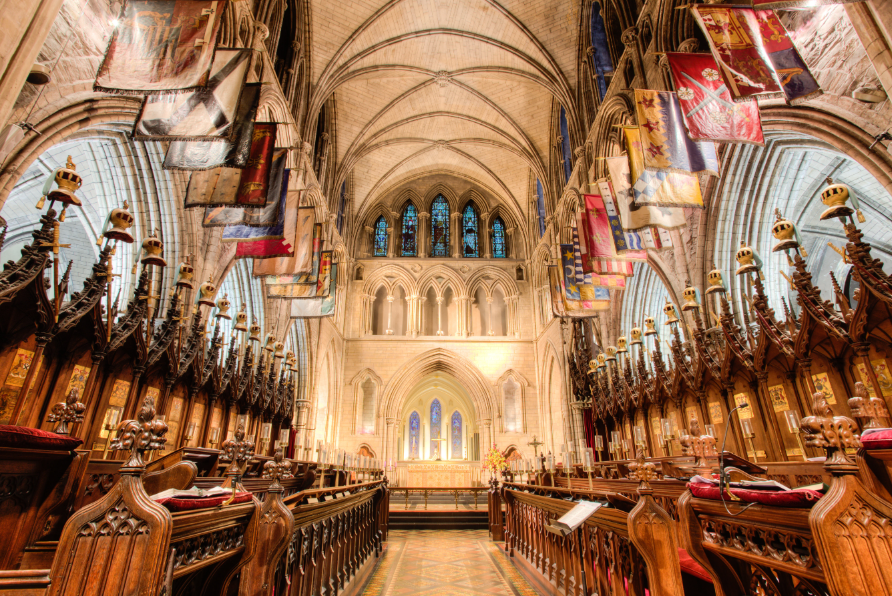
St. Patrick’s Cathedral showcases impressive Gothic architecture, characterized by its pointed arches, ribbed vaults, and large windows designed to flood the interior with light. The building’s cruciform plan is evident, with a long nave, transepts, and a choir. The Lady Chapel, dating back to the 13th century, is a particularly serene and beautiful space.
- Nave: The main body of the cathedral, lined with monuments and memorials, including the impressive Boyle Monument.
- Choir: Features the elaborate stalls of the Knights of St. Patrick, adorned with their colorful banners and crests.
- Stained Glass: A breathtaking collection of stained-glass windows, some dating from the 13th century, depicting biblical scenes and historical events.
- Swift’s Corner: The resting place of Jonathan Swift and his beloved Stella, marked by epitaphs penned by Swift himself.
- Chapter House: Contains the cathedral’s treasury and historical artifacts.
The sheer scale of the cathedral, with its 43-meter (140-foot) spire, is awe-inspiring. Inside, visitors are often struck by the tranquility and the palpable sense of history emanating from every stone and intricately carved detail. The architecture not only serves a functional purpose but also tells a story of craftsmanship and devotion spanning generations.
Visitor Experience and Tips
Visiting St. Patrick’s Cathedral offers a profound cultural and historical experience. It is easily accessible in Dublin city center and typically open to the public daily, though hours may vary for services or special events.
- Guided Tours: Opt for a guided tour to gain deeper insights into the cathedral’s history, legends, and architectural features. Knowledgeable guides provide context that brings the building to life.
- Self-Guided Audio Tour: An excellent alternative for those who prefer to explore at their own pace, available in multiple languages.
- Evensong: Attending an Evensong service provides a unique opportunity to experience the cathedral’s spiritual atmosphere and hear its renowned choir.
- Photography: Photography is generally permitted for personal use, but always be respectful of ongoing services.
- Accessibility: The cathedral is largely accessible, with ramps and lifts available for most areas.
A typical visit can last between 1 to 2 hours, allowing ample time to admire the architecture, read the memorials, and soak in the peaceful ambiance. Remember to check the official website for current opening times, admission fees, and any special exhibitions or events that might be taking place during your visit.

The Natural History Museum: London’s Treasure Trove of Life on Earth
The Natural History Museum in London stands as one of the world’s foremost centers for natural science and a monumental example of Victorian architecture. Housing over 80 million items across five main collections – botany, entomology, mineralogy, palaeontology, and zoology – it is a vital institution for scientific research and public education. The museum’s iconic building, with its intricate terracotta façade adorned with flora and fauna, is a destination in itself, drawing millions of curious minds each year.
A Legacy of Discovery and Education
Established in 1881, the museum originated from the collections of Sir Hans Sloane, which were initially housed in the British Museum. The sheer volume of specimens necessitated a separate institution, leading to the construction of Alfred Waterhouse’s magnificent Romanesque building. From its inception, the museum’s mission has been to challenge the way we think about the natural world, inspiring both scientific inquiry and a deeper appreciation for biodiversity.
Over its long history, the museum has been at the forefront of significant scientific discoveries. Its collections have provided crucial data for understanding evolution, climate change, and the classification of species. Researchers continually study its vast archives, contributing to global scientific knowledge. Beyond its scientific endeavors, the museum plays a critical role in public engagement, educating generations about the wonders of nature, the importance of conservation, and humanity’s place within the ecosystem.
Architectural Marvels and Exhibition Zones
The museum’s architecture is a masterpiece of its era, designed by Alfred Waterhouse. The building’s exterior and interior are decorated with thousands of terracotta tiles, each depicting elements from the natural world – extinct and extant animals, plants, and fossils. This ‘cathedral of nature’ design was revolutionary, seamlessly blending art with science.
- Hintze Hall: The grand central hall, dominated by ‘Hope,’ a 25.2-meter (82-foot) long blue whale skeleton suspended from the ceiling. It serves as a dramatic introduction to the museum’s collections.
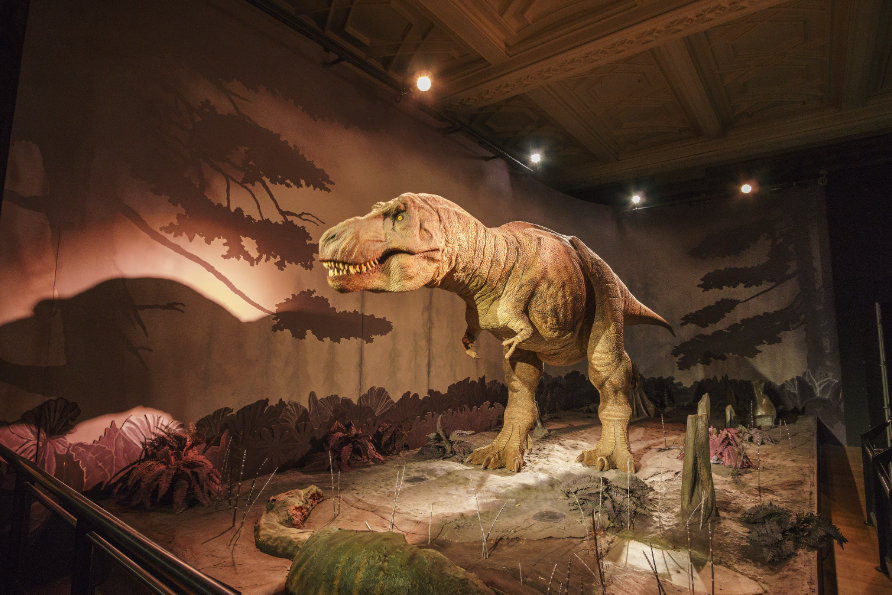
- Dinosaur Gallery: Home to impressive dinosaur skeletons, including the famous T. rex, offering an immersive journey through the Mesozoic Era.
- Earth Galleries: Explores geology, volcanoes, earthquakes, and the formation of our planet, featuring a captivating escalator that ascends into a giant globe.
- Life Galleries: Covers a vast array of topics from human evolution to diverse ecosystems, showcasing the incredible variety of life on Earth.
- Darwin Centre: A modern addition that provides a glimpse into the working lives of scientists and houses millions of specimens.
The museum is thoughtfully divided into zones – the Green Zone, Blue Zone, Red Zone, and Orange Zone (Wildlife Garden) – each focusing on different aspects of natural history, making navigation and exploration both intuitive and enriching. Interactive exhibits and multimedia displays ensure an engaging experience for visitors of all ages.
Planning Your Visit to the Natural History Museum
The Natural History Museum is a popular attraction, and a well-planned visit can enhance the experience significantly. Admission to the main museum is free, though special exhibitions may require tickets.
- Best Time to Visit: Weekdays, especially mornings, are generally less crowded. Avoid school holidays if possible.
- Highlights Tour: Consider a free daily highlights tour to get an overview of the most important exhibits.
- Family-Friendly: The museum is exceptionally family-friendly, with numerous interactive displays and activities designed for children.
- Food & Drink: Several cafes and restaurants are available on-site, but packing a snack is also an option.
- Accessibility: The museum is fully accessible, with lifts, ramps, and accessible toilets throughout.
Allocate at least 3-4 hours to explore the main galleries, or even a full day if you wish to delve deeper into specific areas of interest. Checking the official website for current exhibitions, opening hours, and any booking requirements is highly recommended before your visit.

Hagia Sophia Grand Mosque: A Millennium of History and Faith
The Hagia Sophia Grand Mosque, located in Istanbul, Turkey, is an architectural marvel and a monument of immense historical and cultural significance. Originally built as a cathedral, then converted into a mosque, later a museum, and now once again a mosque, its walls bear witness to the rise and fall of empires and the shifting tides of faith. Its colossal dome, shimmering mosaics, and vast interior space make it a breathtaking symbol of human ingenuity and spiritual devotion.
A Chronicle of Empires and Religions
The current Hagia Sophia was constructed in 537 AD by the Byzantine Emperor Justinian I, serving as the patriarchal cathedral of the imperial capital of Constantinople for nearly a thousand years. It was the largest interior space in the world for over a millennium and was celebrated for its innovative architecture and lavish decorations. For centuries, it was the spiritual heart of the Byzantine Empire and a central site for Orthodox Christianity.
In 1453, following the Ottoman conquest of Constantinople by Sultan Mehmed II, Hagia Sophia was converted into a mosque. Minarets were added, Christian mosaics were plastered over or covered, and Islamic features like a mihrab and minbar were installed. It remained a mosque for almost 500 years, influencing Ottoman architecture significantly. In 1934, under Mustafa Kemal Atatürk, it was secularized and opened as a museum, symbolizing a bridge between cultures and faiths. This status changed again in 2020 when it was reconverted into a mosque.
Architectural Innovation and Artistry
Hagia Sophia’s architecture is a groundbreaking blend of Roman monumental scale, Hellenistic artistic tradition, and Eastern intricate detailing. Its most striking feature is the massive central dome, which appears to float above the nave, an engineering feat for its time. Supported by pendentives, this dome was a revolutionary design that influenced countless subsequent religious structures.
- The Dome: With a diameter of 31 meters (102 feet), it is a masterpiece of Byzantine engineering, creating a sense of boundless space.
- Mosaics: Despite periods of covering, many original Byzantine mosaics depicting Christ, the Virgin Mary, and various emperors and empresses have been uncovered and restored, showcasing exquisite artistry.
- Calligraphy: Giant calligraphic roundels featuring the names of Allah, Prophet Muhammad, and the first four Caliphs adorn the interior, a prominent feature from its mosque period.
- Marble Revetment: The lower walls are clad in stunning marble panels, creating intricate patterns and reflecting light.
- Minarets: Four towering minarets, added during its time as a mosque, define its exterior silhouette and contribute to Istanbul’s iconic skyline.
The interior is a symphony of light and shadow, with hundreds of windows illuminating the vast space. The interplay of Christian and Islamic art within its walls makes Hagia Sophia a truly unique historical document, reflecting the complex cultural layers of Istanbul.
Visiting Hagia Sophia: What to Expect
As a working mosque, visitors must adhere to certain protocols. However, it remains a globally significant site accessible to all, offering a profound glimpse into history.
- Dress Code: Women are required to cover their heads (scarves are often provided at the entrance), and all visitors must dress modestly, covering shoulders and knees. Shoes must be removed before entering the prayer area.
- Best Time to Visit: Early mornings or late afternoons are generally less crowded. Avoid prayer times if you wish to explore more freely.
- Photography: Photography is allowed inside, but be respectful of those praying.
- Guided Tours: Consider joining a guided tour to fully understand the intricate history and symbolism of the structure.
- Accessibility: The ground floor is generally accessible, but access to the upper gallery (if open) involves steep ramps.
A visit to Hagia Sophia is an immersive experience that transcends religious boundaries, offering a deep appreciation for human artistry, engineering, and the enduring power of faith. Allow at least 1.5 to 2 hours to explore its grand interior and absorb its rich atmosphere.

Sainte-Chapelle: Paris’s Jewel Box of Stained Glass
Tucked away on the Île de la Cité in Paris, the Sainte-Chapelle is a dazzling masterpiece of Gothic architecture and an unparalleled example of stained-glass artistry. Commissioned by King Louis IX (later Saint Louis) to house precious Christian relics, including Christ’s Crown of Thorns, this royal chapel is renowned for its seemingly weightless structure and its overwhelming kaleidoscope of vibrant glass, making it one of the most exquisite buildings in the world.
A Royal Commission with Sacred Purpose
Built in a remarkably swift six years between 1242 and 1248, Sainte-Chapelle was conceived as a monumental reliquary and a symbol of France’s spiritual and political prominence. King Louis IX acquired the relics of the Passion of Christ at immense cost, far exceeding the chapel’s construction price, and sought a fittingly magnificent shrine for them. The chapel was part of the Palais de la Cité, the royal residence of the French kings until the 14th century, and served as a private chapel for the royal family.
Its construction during the High Gothic period showcases the pinnacle of architectural development, pushing the boundaries of what was thought possible with stone and glass. The chapel’s design was intended to evoke the New Jerusalem, a heavenly city, and to create an immersive spiritual experience through light and color. Despite suffering damage during the French Revolution, meticulous restoration efforts in the 19th century have preserved its original splendor, allowing contemporary visitors to marvel at its intended glory.
Architectural Brilliance and Stained-Glass Narratives
Sainte-Chapelle consists of two distinct chapels, one above the other. The Lower Chapel, dedicated to the Virgin Mary, served the palace staff and commoners. It is richly decorated with frescoes and statues, featuring a lower ceiling and sturdy columns, creating a more intimate, darker space.
The true marvel, however, is the Upper Chapel. Here, the walls appear to vanish, replaced by fifteen towering stained-glass windows, each over 15 meters (50 feet) high, and a large rose window. These windows depict over 1,113 biblical scenes, narrating the story of humanity from Genesis to the Passion of Christ, culminating with the arrival of the relics in Paris. The effect is breathtaking; the interior is bathed in a constantly shifting, ethereal light that transforms the space into a luminous jewel box.
- Stained-Glass Windows: Covering two-thirds of the chapel’s surface, these 13th-century windows are among the finest and most extensive in existence. Each pane tells a story, making the chapel a visual Bible.
- Rayonnant Gothic Style: Sainte-Chapelle is a prime example of the Rayonnant style, characterized by its emphasis on light, slender architectural elements, and expansive windows.
- Sculptural Details: Delicate carvings, statues of the Apostles, and intricate architectural motifs adorn the interior, complementing the stained glass.
- Rose Window: The magnificent 15th-century Flamboyant Gothic rose window depicts scenes from the Apocalypse, adding a dramatic focal point.
- Reliquary Niche: Though the original relics were dispersed during the Revolution, the elevated niche where they were once displayed remains, emphasizing the chapel’s sacred purpose.
The sensation of being enveloped by light and color, with the delicate stone tracery appearing almost invisible, is an unforgettable experience, making Sainte-Chapelle a pilgrimage site for art and history enthusiasts alike.
Tips for a Memorable Visit
Sainte-Chapelle is a must-see in Paris, but its popularity means it can get crowded. Planning your visit strategically is key.
- Booking Tickets: It is highly recommended to book tickets online in advance to avoid long queues, especially during peak season.
- Combine with Conciergerie: Sainte-Chapelle is often visited in conjunction with the Conciergerie, located nearby, which was part of the same royal palace complex.
- Best Time to Visit: Early morning on a sunny day provides the best light for the stained glass. Overcast days can still be beautiful, but the colors are most vibrant when illuminated by direct sun.
- Security: Expect airport-style security checks, so allow extra time for entry.
- Photography: Photography is permitted, but flash is generally discouraged to preserve the delicate glass.
Allow at least 1 hour for your visit, focusing primarily on the Upper Chapel. The sheer beauty and historical weight of Sainte-Chapelle make it an essential stop for anyone exploring the cultural riches of Paris.
Glacier National Park: Crown of the Continent Ecosystem
Spanning over 1 million acres in Montana, USA, Glacier National Park is a breathtaking wilderness renowned for its rugged mountains, pristine forests, alpine meadows, and spectacular lakes. Often referred to as the “Crown of the Continent Ecosystem,” it is a jewel of the American national park system, offering unparalleled opportunities for hiking, wildlife viewing, and experiencing untouched natural beauty. The park’s name comes from its prominent glacial features, remnants of the ice age that carved its dramatic landscape.
Geological Wonders and Ecological Diversity
The park’s geology is a story written in stone, with some of the best-preserved sedimentary rocks in the world. The Proterozoic sedimentary layers of the Belt Supergroup, dating back over a billion years, are clearly visible. These ancient rocks, coupled with the powerful forces of glaciation, have created the park’s distinctive U-shaped valleys, sharp arêtes, and cirques. While its namesake glaciers are rapidly receding due to climate change, their historical impact is undeniable.
Glacier National Park is a biodiversity hotspot, home to an incredible array of plant and animal life. It forms a critical part of a larger ecosystem that includes grizzly bears, black bears, mountain goats, bighorn sheep, moose, and a diverse bird population. The park’s varied elevations and habitats support everything from dense cedar forests in the west to drier ponderosa pine forests in the east, and fragile alpine tundra at higher altitudes. Over 1,000 species of plants, including vibrant wildflowers, thrive here, painting the meadows with color during the summer months.
Iconic Trails and Scenic Drives
The park boasts over 700 miles of hiking trails, catering to all levels of experience, from leisurely strolls to challenging multi-day backcountry excursions. Each trail offers unique perspectives of the park’s grandeur.
- Going-to-the-Sun Road: A historic 50-mile (80 km) scenic mountain road that bisects the park, offering unparalleled views, hairpin turns, and access to numerous trailheads and overlooks. It’s an engineering marvel and a must-drive.
- Hidden Lake Trail: A popular, relatively easy hike from Logan Pass that leads to an overlook with stunning views of Hidden Lake and the surrounding peaks.
- Highline Trail: A more challenging but incredibly rewarding trail offering panoramic views, often described as walking on the “Garden Wall.”
- Grinnell Glacier Trail: A strenuous but iconic hike that leads to one of the park’s remaining active glaciers and a turquoise alpine lake.
- Lake McDonald: The largest lake in the park, known for its colorful pebbles and surrounded by accessible trails and scenic viewpoints.
Beyond hiking, visitors can enjoy boating, fishing, and ranger-led programs that provide deeper insights into the park’s natural and cultural history. Backcountry camping requires permits and careful planning due to bear activity.
Planning Your Adventure in Glacier National Park
Visiting Glacier National Park requires careful planning, especially given its remote location and seasonal accessibility. The peak season is generally July and August when all roads and facilities are open.
- Vehicle Reservations: During peak season, vehicle reservations may be required for certain areas, including the Going-to-the-Sun Road. Check the NPS website well in advance.
- Bear Safety: The park is grizzly country. Carry bear spray, know how to use it, and follow all bear safety guidelines. Hike in groups and make noise.
- Accommodation: Book lodging (inns, campgrounds) well in advance, as they fill up quickly. Many visitors also stay in gateway towns like West Glacier or St. Mary.
- Weather: Mountain weather can change rapidly. Be prepared for all conditions, even in summer.
- Pack Essentials: Bring plenty of water, snacks, appropriate layers, sturdy hiking boots, and sun protection.
Glacier National Park offers an immersive wilderness experience that connects visitors with the raw power and enduring beauty of nature. Its majestic landscapes and abundant wildlife provide an unforgettable adventure for every outdoor enthusiast.

The Colosseum: Rome’s Enduring Symbol of Ancient Grandeur
The Colosseum, also known as the Flavian Amphitheatre, stands as an iconic and enduring symbol of Imperial Rome’s power, engineering prowess, and complex social fabric. This colossal arena, completed in 80 AD, was the largest amphitheater ever built, capable of seating 50,000 to 80,000 spectators. It hosted gladiatorial contests, animal hunts, public executions, and theatrical performances, leaving an indelible mark on history and popular culture.
A Monument to Roman Engineering and Spectacle
Commissioned by Emperor Vespasian of the Flavian dynasty in 72 AD and completed under his successor Titus, the Colosseum was built on the site of Nero’s former Golden House. Its construction was a monumental undertaking, employing thousands of laborers and utilizing innovative Roman concrete and sophisticated architectural techniques. The design allowed for efficient crowd control, with numerous entrances and exits, ensuring that vast audiences could enter and exit quickly.
The spectacles held within its walls were designed to entertain, distract, and reinforce the emperor’s power. Gladiators, often slaves or prisoners of war, fought to the death, and exotic animals were brought from across the empire for elaborate hunts. The Colosseum also served as a stage for naval battles (naumachiae) by flooding the arena, though the exact mechanics and frequency of these events are debated. Despite its often brutal history, the Colosseum represents a peak in Roman public entertainment and engineering.
Architectural
Related Posts