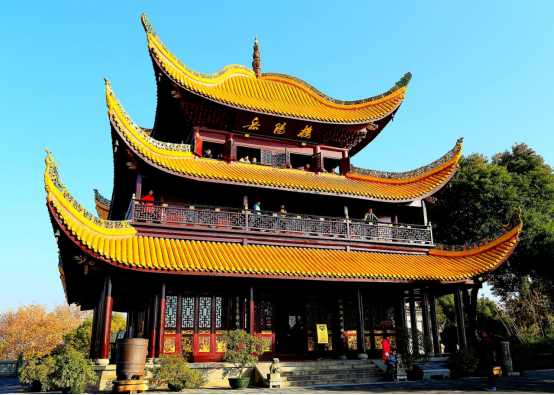
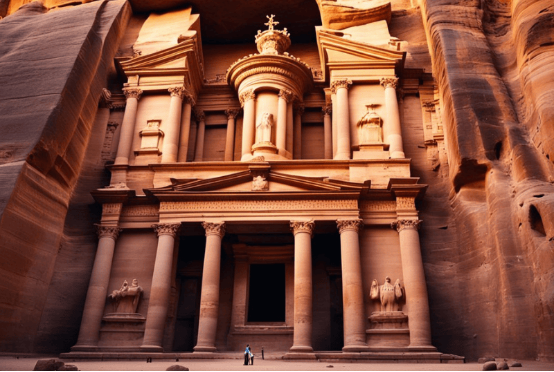
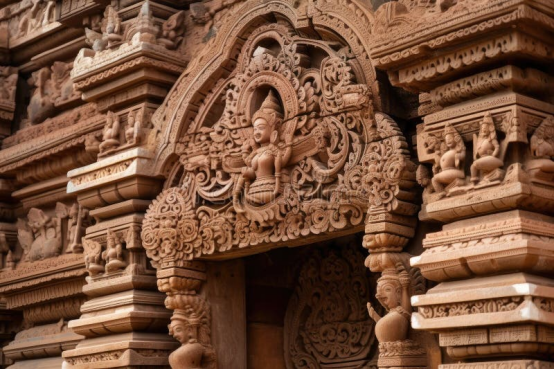
Postmodern architecture, as a style that emerged in the late 20th century, breaks many of the inherent rules of the architectural world. It is not only a response to modernist functionalism, but also an exploration of the deeper meaning of architectural design – buildings are no longer just containers of functions, but expressive and interesting works of art. So, how did postmodern architecture gain a place in this rapidly changing world?
The Strict Rules of Modernism: Why Rebel?
From the early to mid-20th century, modernism dominated the architectural world. Architects, like “preachers of functionalism”, firmly preached the slogan of “form follows function”. Masters such as Le Corbusier, Mies van der Rohe, and Walter Gropius, their buildings are simple, plain, and without a trace of decoration. This is the rational pursuit of architecture, emphasizing minimalism and efficiency. However, as time goes by, these reinforced concrete structures gradually make people feel indifferent and boring. Does architecture really exist to simply meet functional needs?
The seeds of rebellion: the rise of postmodernism
In the 1960s, postmodern architecture began to emerge, responding to the monotony and lack of emotion of modernist architecture. During this period, critics and architects proposed that architecture should be more humane and able to connect with social culture and emotions. This is not only a criticism of modernism, but also a reaffirmation of the deeper meaning of architecture – architecture is not just a pile of steel and glass, it is a manifestation of emotion, history and diversity.
If modernist architecture emphasizes calm rationality and functionality, then postmodernism pays more attention to human feelings, historical continuity and design diversity. It rejects a single, unified architectural language and challenges the inherent aesthetic rules through a diversified design language.
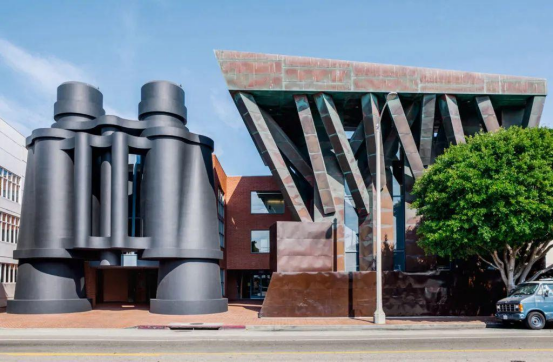
Characteristics of postmodern architecture: eclectic
So, how does postmodern architecture break the rules and create diversity?
Revival of historical elements and decoration
A notable feature of postmodern architecture is that it revives the use of decoration. In stark contrast to the minimalism of modernism, postmodern architecture often incorporates elements of classical, Gothic, Baroque and other styles. From columns to cornices, from pediments to arches, all these decorations are not just embellishments of the exterior, but also a tribute to historical culture. Have you noticed that in modern buildings, you can often see these historical symbols that “travel through time and space”, as if each building is a dialogue between history and modernity?
Eclecticism and Diversity
Postmodern architecture, with its eclectic style, cleverly combines elements from different historical periods and cultures. The bold colors, unconventional materials, complex patterns and forms in the design break the constraints of the cold neutral tones and industrial materials of modernism. This bold experimentation with colors and materials makes the building no longer a cold machine, but a work of art full of vitality. Don’t you feel that when you see these unique building facades, it seems like you have entered a completely different world?
individuality and fun
. Humor, whimsy, and even irony of the function of the building itself are often added to the design. Architecture is no longer a single, serious structure, it can be an expressive work of art, or even a reflection of a certain social culture.
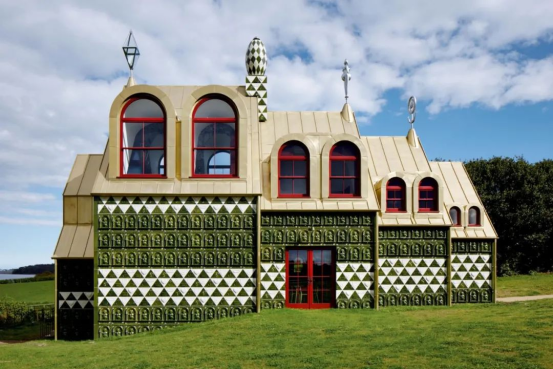
Iconic Postmodern Architecture Examples
The charm of postmodern architecture lies in its unique architectural works, which are not only buildings, but also symbols of culture and art.
Portland Tower (1982, designed by Michael Graves)
This tower in Portland, Oregon, is a typical example of postmodern architecture. Its design incorporates classical elements, bright colors, and unique forms. Doesn’t it make you smile when you see this tower? It breaks the cold and hard appearance of traditional skyscrapers and brings a fresh look to the city.
AT&T Building (1984, designed by Philip Johnson and John Burge)
is a famous building in New York. Its “classical” arch design at the top once became a symbol of postmodern architecture. It challenges the monotonous style of modernist architecture that lacks decoration, and cleverly incorporates classical elements without losing the modern sense. It is this bold design that makes it one of the most representative buildings in New York City.
Vanna Venturi House (1962, designed by Robert Venturi)
This small home in Pennsylvania is one of the pioneers of postmodernism. Characterized by humor and rebellion, it breaks the design norms of traditional houses and demonstrates the redefinition of form and function by postmodern architects.
The impact of postmodernism: freedom and innovation
Perhaps the greatest contribution of postmodern architecture is that it has injected more freedom and innovation into architectural design. It rejects uniformity and advocates differentiation; it returns to history and creates unprecedented forms; it makes architecture full of personality and humor again. Although this style has been controversial for its “non-traditional” nature, it has undoubtedly broadened the design vision of architecture and left behind an era full of creativity and freedom.
As time goes by, postmodernism has not disappeared, but has gradually merged with contemporary architecture, influencing new architectural trends. When we stand in front of today’s buildings, it is not difficult to find that the spirit of postmodernism is still active. Perhaps, in the future, we will see more unconventional and expressive buildings, which is the innovative legacy that postmodernism brings us.

Related Posts