The history of Christian architecture is a history full of spirituality and design miracles. From the humble huts at the beginning to the cathedrals that tower over the skyline today, the evolution of Christian architectural style is not just a pile of bricks and steel, but also the embodiment of faith, power and culture. Churches, as sacred spaces, are not just places of worship, they carry the power of faith and human yearning for the sacred. In these churches, we see a story of architecture and religious spirit deeply intertwined.
From Ancient to Modern: The Evolution of Architectural Styles
So, what defines Christian architecture? Is it the majestic architecture or the profound symbols hidden in every detail? Over the centuries, Christian architecture has undergone countless changes and developments, forming a rich style and architectural language. The earliest early churches were limited by materials and construction techniques, with simple designs, and gradually developed into Romanesque, Gothic, Renaissance, Baroque, and finally modern minimalism. The architectural style of each stage reflects the religious needs and cultural sentiments of the times.
Romanesque churches: strong fortresses
The Romanesque church is a product of the early Middle Ages. Its architectural structure is calm, heavy, and full of defensive meaning. Imagine that at that time, Europe was in social turmoil and wars were constant, and Christian architecture naturally had to have a certain protective function. The Romanesque church is characterized by thick walls, small and few windows, simple decorations, and solid towers. The overall appearance gives people a sense of security like a fortress. This style, to some extent, reflects the strong desire of people at that time for divine protection. Isn’t this design a profound response to that turbulent era?
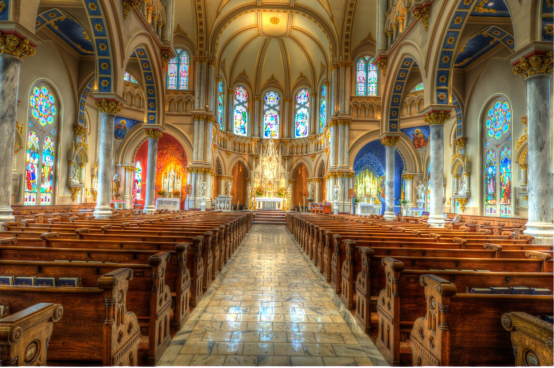
Gothic Cathedral: Pursuit of Light and Yearning for Heaven
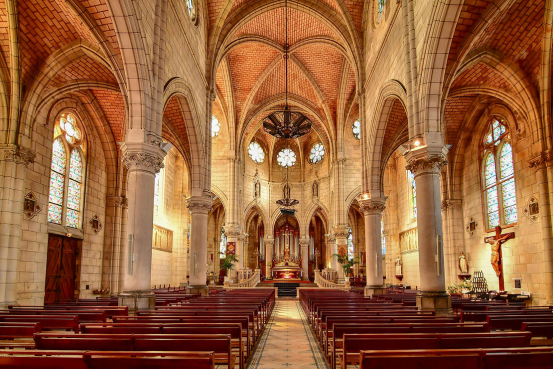
However, with the stability of society and the change of religious concepts, the architectural style has gradually undergone a revolutionary transformation. Gothic churches came into being, breaking the heaviness of Romanesque churches, extending upward, and presenting a sacred atmosphere that makes people look up. Gothic churches are characterized by towering spires, flying buttresses and rib vaults. These innovative designs allow the church to have larger windows, allowing sunlight to shine into the interior of the church. Especially those stained glass windows, the light they reflect seems to be the light of heaven, giving people a sacred touch. Just imagine, when the sunlight penetrates these glass windows and sprinkles in every corner of the church, will believers feel closer to the gods in such a space?
The Early Christian Church: From House Church to Great Cathedral
Before the fourth century AD, Christian gathering places were only family churches, which were simple and secret. However, as Christianity was gradually legalized, church construction began to change. The appearance of the original Christian cathedral was relatively simple, mainly rectangular, with straight side walls and a flat roof. The design at this time was more concerned with “focus”: from the entrance at the west end to the altar at the east end, the entire church layout has a clear direction, and all sights and the focus of faith are directed to the altar. Is this the simple and direct religious expression of the early Christian architecture?
Byzantine style: harmony of the sacred and space
In the Byzantine period, the architectural style of churches began to change more. During the reign of Emperor Justinian, the dome became an iconic element in church design. The design of the Byzantine dome broke through tradition and symbolized the infinite power of the sky and God. Byzantine-style architecture not only focuses on the decoration of the exterior, but also makes bold attempts in the interior space. It focuses on the harmony of space and the creation of a sacred atmosphere, so that believers can feel close to God here. Do you also feel that when you walk into these churches with huge domes, you seem to be at the center of the universe?
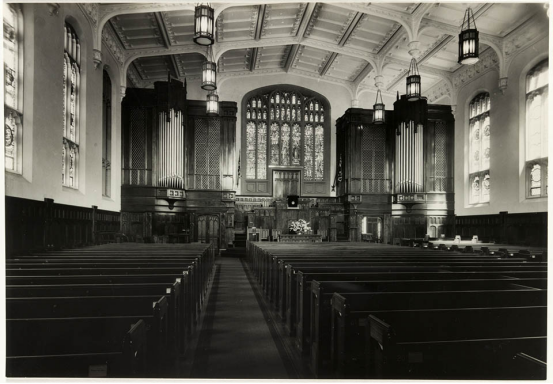
Modern Minimalism: A Sacred Space Back to the Essentials
In modern times, with the innovation of building materials and changes in ideas, the design style of churches has undergone a complete transformation. Minimalist churches have gradually emerged. They are far away from complicated decorations, tend to be simple and fresh designs, and pay more attention to the sacredness and tranquility of the space itself. Such designs not only cater to the aesthetics of modern people, but also reflect the contemporary people’s pursuit of spirituality. Do you also understand that in this complex world, simple spaces can allow believers to find peace in their hearts?
The relationship between architectural style and faith: from the past to the future
The evolution of Christian architecture has always been accompanied by changes in social culture, belief concepts and technology. From Romanesque to Gothic, and then to modern minimalism, the design style of churches undoubtedly reflects the cultural characteristics and religious needs of each era. But whether it is the majestic Gothic cathedral or today’s minimalist church, they always have one thing in common: these architectural spaces are ultimately intended to inspire faith, promote worship, and reflect the existence of God. Each church is a dialogue space about the sacred and the human soul, and a bridge for believers to connect with God.
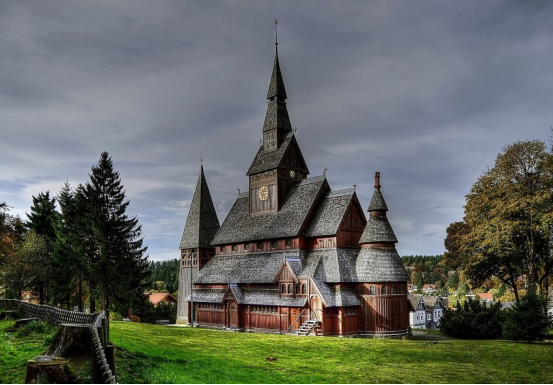
Conclusion: Dialogue between tradition and innovation
The architectural heritage of Christian churches has left a strong mark in the ever-evolving history. From the earliest Romanesque architecture to the brilliance of Gothic architecture to the simple modern design, each church tells the story of faith in an era. And these buildings are not only symbols of religion, but also a fusion of art, culture and technology. They are not only the inheritance of the past, but also the guide to the future. In such a space, the dialogue between faith and architecture, tradition and innovation, past and future continues.

Related Posts