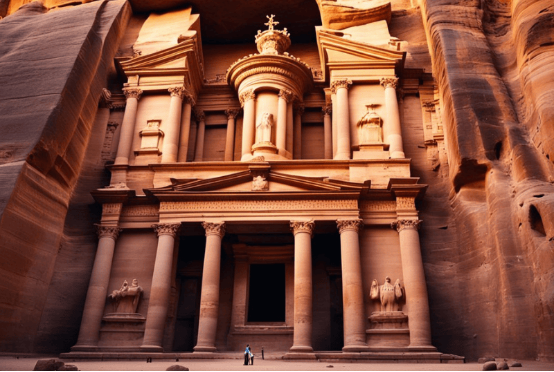
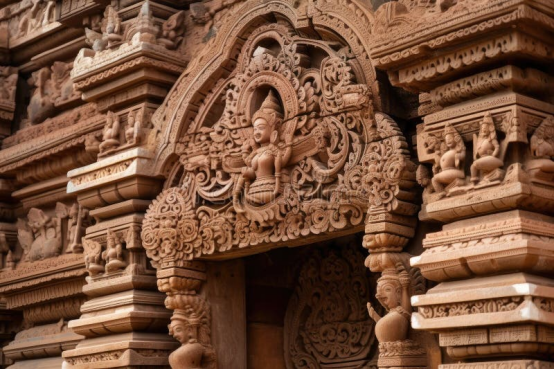
From ancient times to the present, almost all of the most magnificent and stunning buildings have one thing in common – they are all covered with magnificent domes. This architectural element can fill the space with infinite momentum and charm, like a guardian standing tall, silently announcing its magnificent significance to everyone who enters. Nowadays, when we mention “dome”, perhaps the first thing we think of is those modern stadiums, such as the Houston Astronomy Museum or the Superdome in New Orleans. But in the long river of history, domes are more closely connected with churches, cathedrals and sacred religious places, as if they are bridges connecting heaven and earth. Even so, whether these domes are sacred altars or entertainment arenas, their grand atmosphere that cannot be ignored always deeply attracts the attention of every audience and is extremely shocking.
The origins of the dome: from simplicity to grandeur
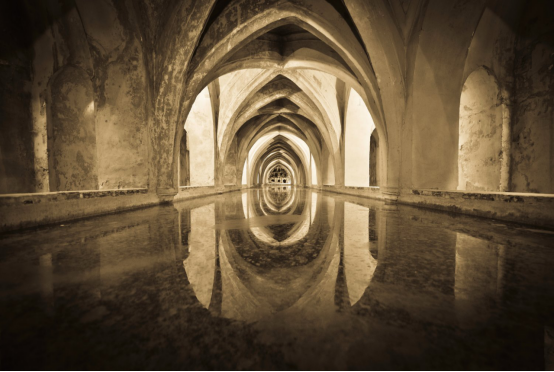
As a form of architecture, domes first appeared as mound-like structures – designed to accommodate the simplest and smallest of buildings. The earliest examples are the round huts and tombs of the ancient Middle East, India and the Mediterranean. Imagine how those ancient buildings, though simple, could be made unique and distinctive by the presence of a dome.
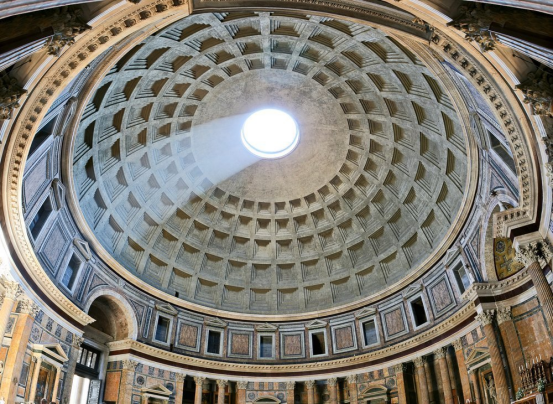
With the development of technology, the Romans took dome architecture to a whole new level. They used bricks and stones to build large-scale hemispherical domes. Gradually, this technology was no longer just for simple buildings, but became part of monumental architecture. For example, the Pantheon in Rome used heavy supporting walls to bear the huge thrust brought by the dome, becoming one of the iconic representatives of dome architecture. Can you imagine the cohesion and sense of history? This is not only a breakthrough in architectural techniques, but also a comprehensive integration of space, mechanics and aesthetics.
Vaults and domes: a collision across the ages
Byzantine architects, with the help of innovative technology, invented a way to allow the dome to be illuminated and ventilated in all four directions. This technology gradually made the dome more complex and exquisite from its original simple form. The four overhangs in the picture are like the perfect combination of nature and human wisdom. They are curved in horizontal and vertical directions, perfectly transmitting the power of the dome to the four piers. Can you appreciate the ingenuity of this design? When we stand in modern buildings, this almost imperceptible exquisite craftsmanship is even more amazing.
In the course of history, the fate of the dome has also experienced many fluctuations. With the rise of Gothic architecture, the dome was gradually replaced by the vault, which gave the building a different visual impact with its simpler lines and structure. In the Renaissance and Baroque periods, the dome once again ushered in its golden age. It symbolizes power, sacredness and eternity. Today, the boundary between the vault and the dome seems to have blurred. Modern reinforced concrete slabs can bend in length and width to create a more flexible dome structure. Do you think about what this change represents? Perhaps it symbolizes the continuous progress and integration of architectural art and the times.
The Dome’s Global Footprint: Traces Across Civilizations
Let’s look at it more broadly. The history of domes spans different cultures and civilizations around the world. The earliest domes can be traced back to ancient Mesopotamia, when people used mud bricks to build simple dome structures. You might think that those buildings were so primitive, but they began to show humans’ deep understanding of space and structure. With the development of Roman civilization, dome architecture began to move forward and became a symbol of large-scale monumental buildings. The Byzantine Empire further developed this technology in religious architecture, making domes an important part of churches and temples.
With the spread of Islam, the dome has gradually become an indispensable element of mosque architecture, spanning across Asia, Europe and Africa. This architectural symbol has crossed cultural and regional boundaries and has become a common visual symbol of different religions and cultures around the world. Have you ever experienced the solemnity and sacredness of this kind of architecture in the Hagia Sophia in Istanbul or in the ancient mosques in Arabia? They silently tell us that the dome represents the connection between heaven and earth, and is a pursuit of holiness and eternity by mankind.
The modern evolution of the dome: from tradition to innovation
Entering the 20th century, with the rapid development of architectural technology, dome architecture has ushered in new breakthroughs. For example, Buckminster Fuller introduced the geodesic dome, a dome structure that is light and efficient, and has become an indispensable part of modern architecture. Can you also feel that the dome is no longer just a part of history, but is moving towards the future with a new look? The geodesic dome has become one of the most iconic innovations in modern architecture, providing new imagination and possibilities for our space.
Today, the dome is still an indispensable element in modern architecture, having long since broken through the shackles of tradition and brought more creative and structurally efficient solutions. From the perspective of human history, the dome is not just a form of architecture, it is more like a bridge across time and space, connecting the ancient and the modern, the traditional and the innovative, the sacred and the secular.

Related Posts