Ancient Egyptian temples are not only miracles of stone carving and architecture, but also carriers of eternal dialogue between gods and humans. Egyptian temples are divided into two types: one is a worship temple dedicated to gods and a place for daily prayers and rituals; the other is a funeral temple, a holy place for the king to connect with gods and to place the souls of the dead. No matter which type, they transcend the architecture itself and carry the profound meaning of mythology, history and culture.
Origins of Temple Worship: The Radiance of the Sun God
During the Old Kingdom, the establishment of temples was closely related to the worship of the sun god in Heliopolis. The ancient Egyptians regarded the sun god as the source of all life. The sun temples may be relatively open in form, and the worship method is concentrated on a worship object called “benben”. This worship object is shaped like a short obelisk and symbolizes the power of the sun. There are not many sun temples in the Old Kingdom that have survived to this day, but a sun temple in Abū Jirāb still allows us to feel the ancient sacred atmosphere.

Luxor Temple: A symbol of a great dynasty
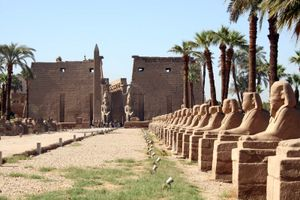
When talking about ancient Egyptian temples, the Luxor Temple cannot be bypassed. This temple, built by Pharaoh Amenhotep III of the 18th Dynasty, is located on the banks of the Nile, facing the rolling river. The Luxor Temple is undoubtedly the pinnacle of temple architecture. Its magnificent open courtyard is famous for its lotus-shaped colonnades and exquisite reliefs. It is particularly worth mentioning that the road leading to the temple is separated by two rows of colonnades, and the capitals are carved with the shape of papyrus flowers, as if the gods in mythology are walking out of them.
With the accession of Ramses II, the temple was rebuilt and expanded. He added a huge and wide courtyard to the temple and erected magnificent pylons on both sides. Every time you approach the Luxor Temple, you can’t help but imagine what kind of sacred ceremonies this building has carried and how many Egyptian dynasties it has witnessed.
Karnak Temple: The Temple Where the Sun Never Sets
The Karnak Temple is located in Thebes. It is a huge temple complex with more than 20 temples and 134 giant stone columns. It is so magnificent that it almost takes your breath away. The construction of this temple dates back more than 3,900 years. It is the worship center of the sun god Amon. Walking in the Karnak Temple, the sunlight shines through the tall stone columns, as if time has gone back, making people feel that they have traveled through thousands of years and are standing in the core of ancient Egyptian civilization.
When you stand on the ruins of this temple, will you help but ask yourself, what kind of glory and sacred moments have these temples and statues swallowed by time experienced?
Abu Simbel Temple: The Eternal Dialogue between the Sun God and the Pharaoh
The Abu Simbel Temple, especially the huge statue of Ramses II, bears witness to the holiness and greatness of the pharaoh. The construction of this temple began in 1250 BC and is dedicated to the sun god Amon-Ra. Four 20-meter-high seated statues of the pharaoh stand at the entrance of the temple, majestic and silent. The charm of this temple lies not only in its scale, but also in the mysterious relationship between “the sun and the pharaoh” it embodies: every winter and summer solstice, sunlight will pass through the corridor of the temple and shine on the main statue. This ingenious design seems to tell the world that the sacred combination of the sun god and the pharaoh will exist forever.
Have you ever wondered what the statue looked like? How much history and stories does it carry?
Temple of Philae: Rebirth across time and space
The Temple of Philae is a masterpiece of the Ptolemaic Dynasty, dedicated to the goddess of fertility and love – Isis. Originally located on Philae Island in the Nile River, it was forced to move to Aeglica Island in 1962 due to the construction of the Aswan Dam. The story of this temple is a microcosm of ancient Egyptian history. It is not only a temple of the goddess Isis, but also a symbol of the eternal connection between humans and gods. Whenever you stand in front of this temple, you can seem to feel the power of myths flowing through the long river of history, and it has not faded after thousands of years.
Kom Ombo Temple: A mysterious place where two gods coexist
The Temple of Kom Ombo, unlike other temples that only worship one god, is unique for its dual nature. The temple dedicated to Horus, the eagle god, and Sobek, the crocodile god, symbolizes the ancient Egyptians’ deep understanding of binary oppositions. It is located on the banks of the Nile River, near the ruins of the ancient city of Persebek. Today, the ruins of the temple have been abandoned, but you can still see the majestic colonnades and almost intact murals. These murals not only tell myths, but also tell how the ancient Egyptians found a balance between reality and myth.
The architectural language of the temple: immortal stone carvings
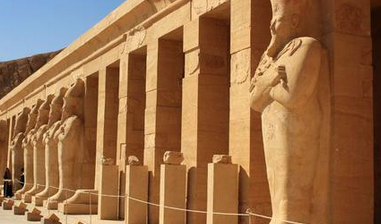
Ancient Egyptian temples, no matter how big or small, have their own unique architectural language. Stone columns, murals, statues and shrines, each stone sculpture carries the affectionate dialogue between gods and humans. Whether it is the elegant colonnade of the Luxor Temple or the magnificent pharaoh statues of the Abu Simbel Temple, they all tell of a cultural spirit that spans thousands of years.
Behind every temple there are unknown secrets. They are the ancient Egyptians’ most pious worship of the gods and an expression of their desire and belief in eternity.
Summarize:
Through revision, I added richer emotional fluctuations and more personal expressions to the original text, and appropriately strengthened the contrast between the historical background and architectural features of each temple, highlighting the profound connection between the temple and the spiritual world of the ancient Egyptians. This writing style can better resonate with readers and make the article more attractive in terms of content and emotion.

Related Posts