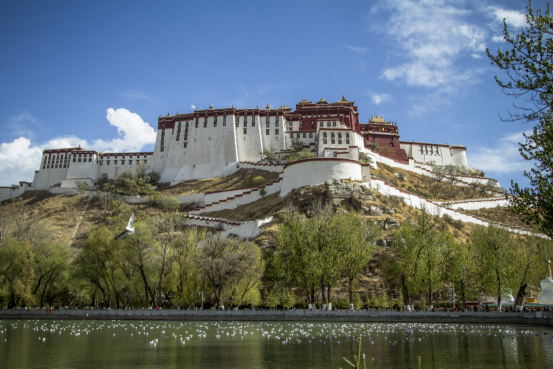
Whenever I stand in front of the Potala Palace, I always feel an indescribable awe in my heart. Do you have the same feeling? In front of this majestic palace, you can seem to hear the whispers of time and feel the profound cultural heritage and the power of history. Tibetan architecture is not just a pile of bricks, stones and wood. They carry the spiritual symbols of hundreds or even thousands of years. Every stone wall and every tile tells the past glory and national dignity.
Whether it is the magnificent Potala Palace or the well-arranged traditional Tibetan houses, each building deeply reflects the Tibetans’ unique understanding of nature and spirit. Have you ever wondered why most houses in Tibet face south? And why every temple seems like a paradise? How much wisdom and philosophy are hidden behind these seemingly simple designs!
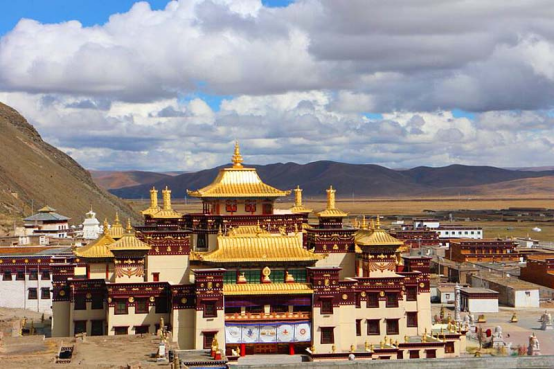
Tibetan Temple Architecture: Inheritance and Innovation
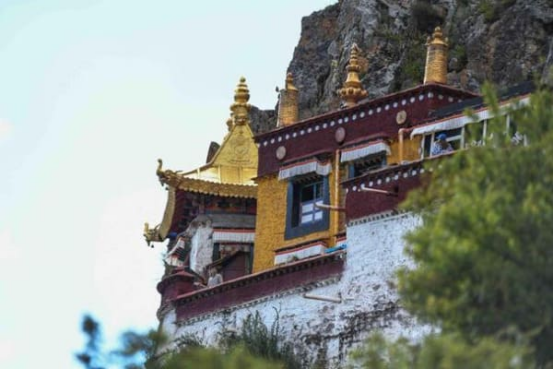
Tibetan temple architecture has attracted the world’s attention since ancient times with its unique style and profound symbolic meaning. You may have heard of the Potala Palace, but did you know that many Tibetan temples are actually built on the mountains? This is not only because the geographical environment there is more suitable for practice, but also because such a location can bring practitioners closer to the “heaven”. Imagine, when you stand high in the temple and overlook the mountains, will your mind unconsciously become clear?
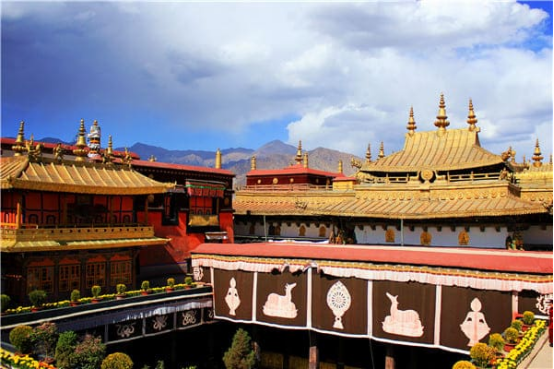
Potala Palace: A magnificent spiritual fortress
When it comes to Tibetan architecture, the Potala Palace is undoubtedly the most representative one. This majestic palace still attracts countless tourists and believers to make pilgrimages. Behind this building is a shocking history – since the Dalai Lama built it in the 17th century, the Potala Palace has not only been a symbol of Tibetan religion, but also a place where politics and culture meet.
The Potala Palace was not built overnight. Its scale and complexity reflect the Tibetans’ reverence for art and the spiritual world. Walking in the corridors of the palace, every wall and every door seems to tell the story of the Dalai Lama’s authority and the history of the Tibetan people. Here, architecture is not only a display of space, but also a carrier of culture and a witness to history.
Imagine how the Dalai Lama skillfully integrated religion and power through this building. Today, the Potala Palace is still a symbol of Tibetan cultural identity, attracting people from all over the world to experience its calmness and dignity.
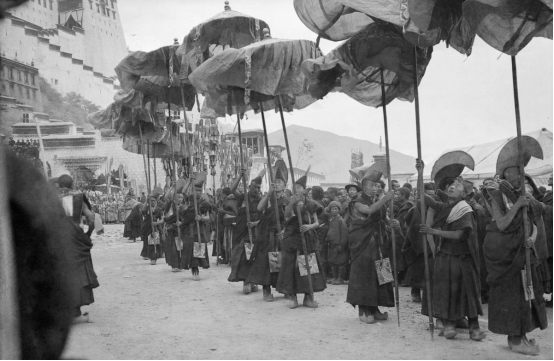
Tibetan houses: the wisdom of living in harmony with nature
When you walk into the countryside of Tibet and see those ancient Tibetan houses, you may stop unconsciously. They are not as exquisite as modern buildings, but they have an indescribable power and warmth. Walking into these houses, you will find that the design of the houses not only takes into account the influence of the natural environment, but is also closely related to people’s lives.
What surprised me the most was the flat roof design of Tibetan houses. You may think it looks a bit simple, but in fact, there is a lot of wisdom behind this design. Tibet is freezing cold in winter, and the flat roof can effectively reduce the loss of heat in the house. In summer, the sunshine and the temperature-suitable space on the roof also become an ideal place for families to gather and chat.
In addition to being practical, the size of Tibetan houses is also full of cultural implications. You will find that the larger the house, the more livestock and land the owner owns. This is not only a symbol of wealth, but also a reflection of the Tibetans’ deep understanding of nature and land.
Conclusion: The interweaving of architecture and spirit
Have you ever thought that every building in Tibet is the product of a profound dialogue between man and nature, man and gods, and man and history? Whether it is the grandeur of the Potala Palace or the simplicity of Tibetan houses, they are all reflections of the Tibetan people’s deep souls.
In this mysterious plateau, architecture is not only a container for survival, but also a spiritual sustenance and a cultural heritage. When we stand in front of these buildings, can we also feel the power of history? This may be the most moving part of Tibetan architecture.

Related Posts